
How Long Does Mortar Last Before It Needs Replacing?
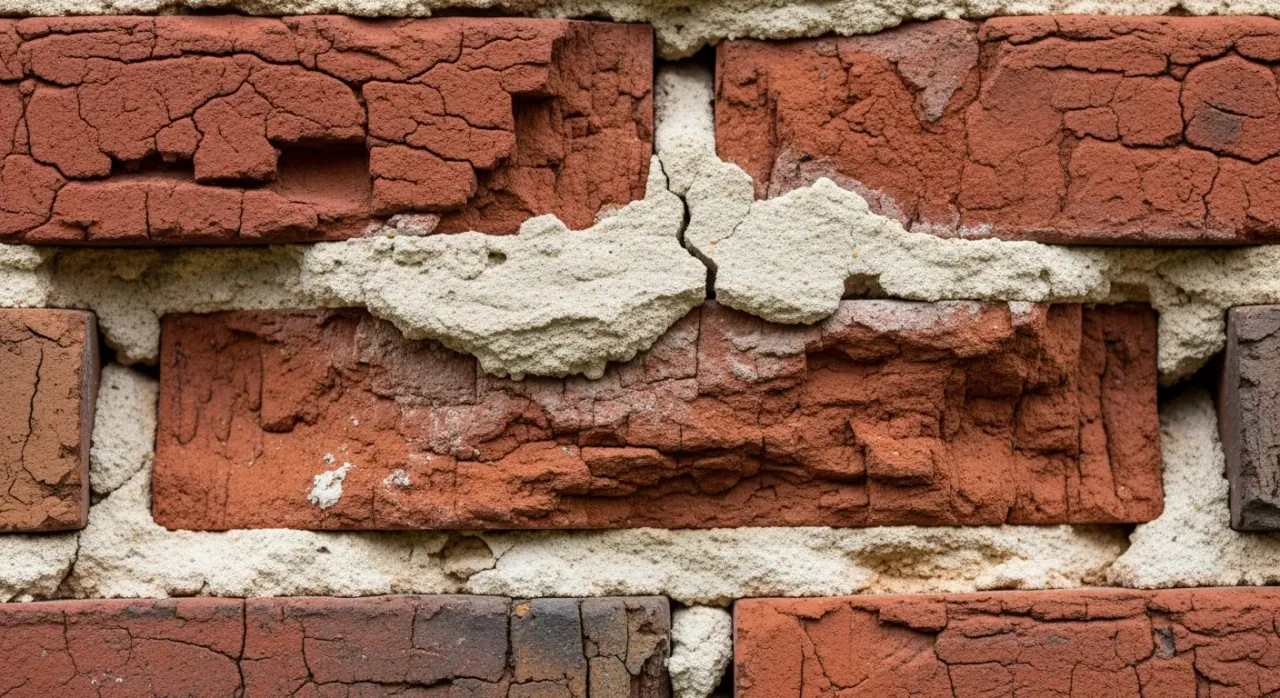
How long does mortar typically last?
Quality mortar typically lasts 25-30 years before needing replacement. However, exposure, climate, and original installation quality all affect this timeline significantly.
How Does Michigan Weather Affect Mortar Life?
Michigan's freeze-thaw cycles are hard on mortar. Chimneys and north-facing walls—which stay wet longer and freeze more often—may need repointing sooner than protected areas.
Why is mortar designed to wear out before brick?
Mortar is designed to be softer than brick. This is intentional: mortar is the 'sacrificial' element that absorbs stress and deteriorates instead of damaging the bricks themselves.
How Do I Know When to Repoint?
Signs your mortar needs attention: mortar recessed more than 1/4 inch from brick face, visible cracks in mortar joints, mortar crumbling when you touch it, gaps or missing sections of mortar.
How can I test my mortar's condition at home?
You can test mortar condition with a car key. Drag it across mortar joints. If mortar powders away easily or you can dig it out, it's time for repointing.
Why Shouldn't I Wait Too Long?
Don't wait until mortar is completely failing. Once joints are open, water penetrates freely. This accelerates damage to both mortar and brick through freeze-thaw cycles.
Why does timing matter for repointing?
Repointing is far simpler than the damage that results from neglected mortar. Timely tuckpointing and mortar joint repair can extend your brick's life by decades.
Original construction quality matters too. We sometimes see 100-year-old mortar in good condition alongside 20-year-old mortar that's failing. Proper installation makes a huge difference.
If you're buying an older home, have the masonry inspected. Knowing when repointing will be needed helps you plan for future maintenance.
Frequently Asked Questions
How long does mortar typically last?
Quality mortar typically lasts 25 to 30 years before needing replacement. Exposure, climate, and original installation quality all affect this timeline significantly.
How can I test my mortar's condition?
Drag a car key across the mortar joints. If mortar powders away easily or you can dig it out, it's time for repointing.
Why is mortar designed to be softer than brick?
Mortar is the 'sacrificial' element that absorbs stress and deteriorates instead of damaging the bricks themselves. This intentional design protects your brick from cracking.
Need Professional Help?
If you've identified masonry issues or need a professional inspection, we're here to help. Adam Baker Masonry serves Grand Rapids and the surrounding 50-mile area.
Related Articles
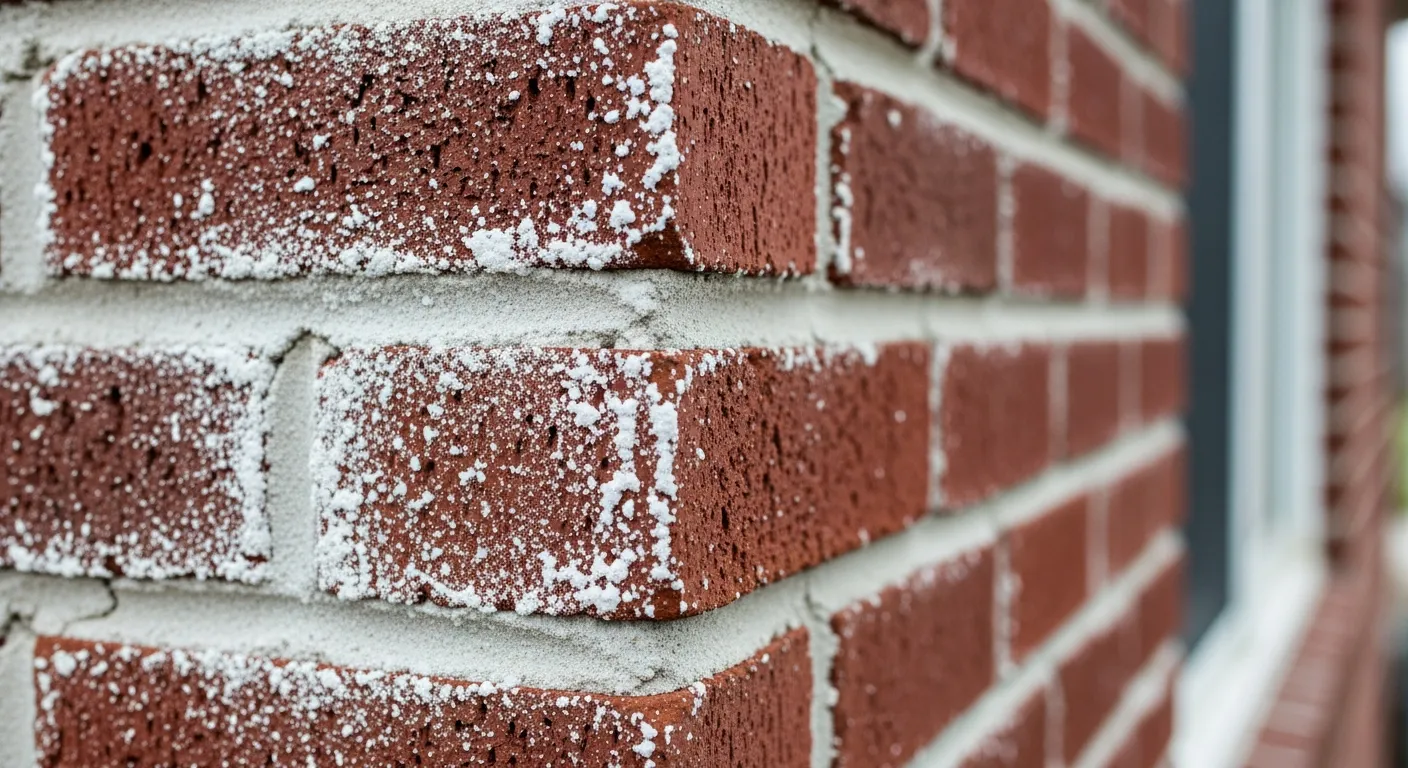
What Is That White Powder on My Brick Walls?
That chalky white substance is called efflorescence—and it's telling you something important about moisture in your masonry. Here's what causes it and how to fix it.
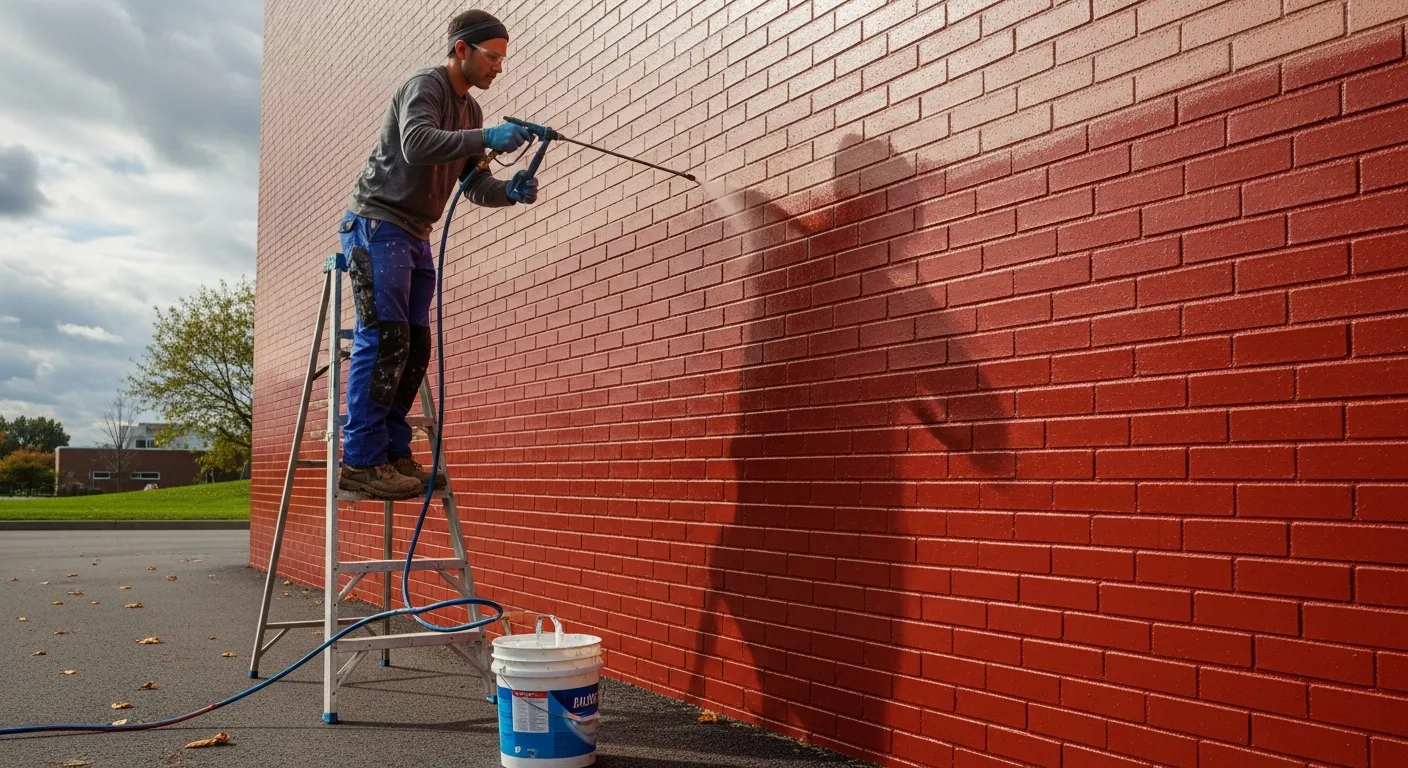
Should I Seal My Brick? The Surprising Answer
Many homeowners think sealing brick is good maintenance—but the wrong sealer can actually cause serious damage. Here's what you need to know before applying any products.
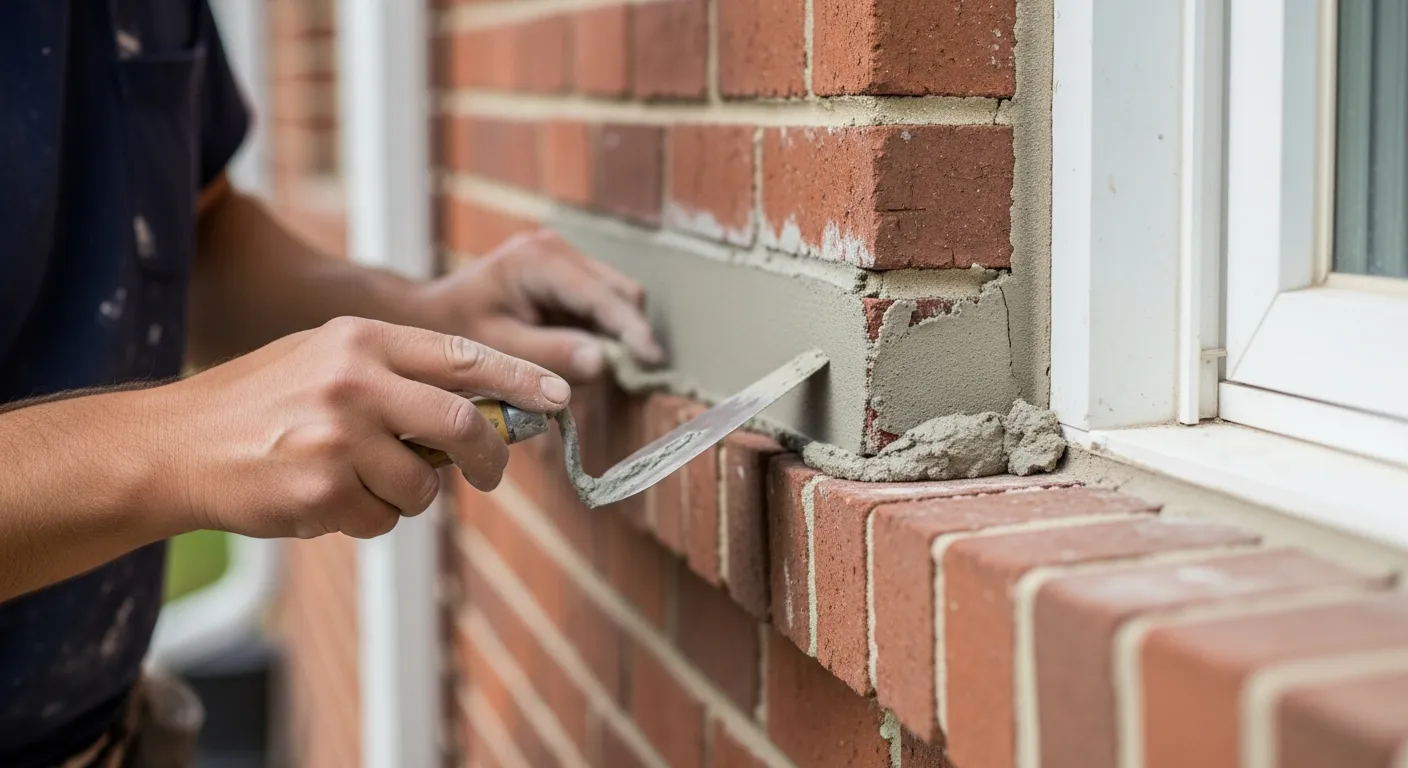
What's the Difference Between Tuckpointing and Repointing?
These terms are often used interchangeably, but they're actually different techniques. Understanding the difference helps you communicate with contractors and get the right service.