
What Causes Foundation Cracks? A Michigan Homeowner's Guide
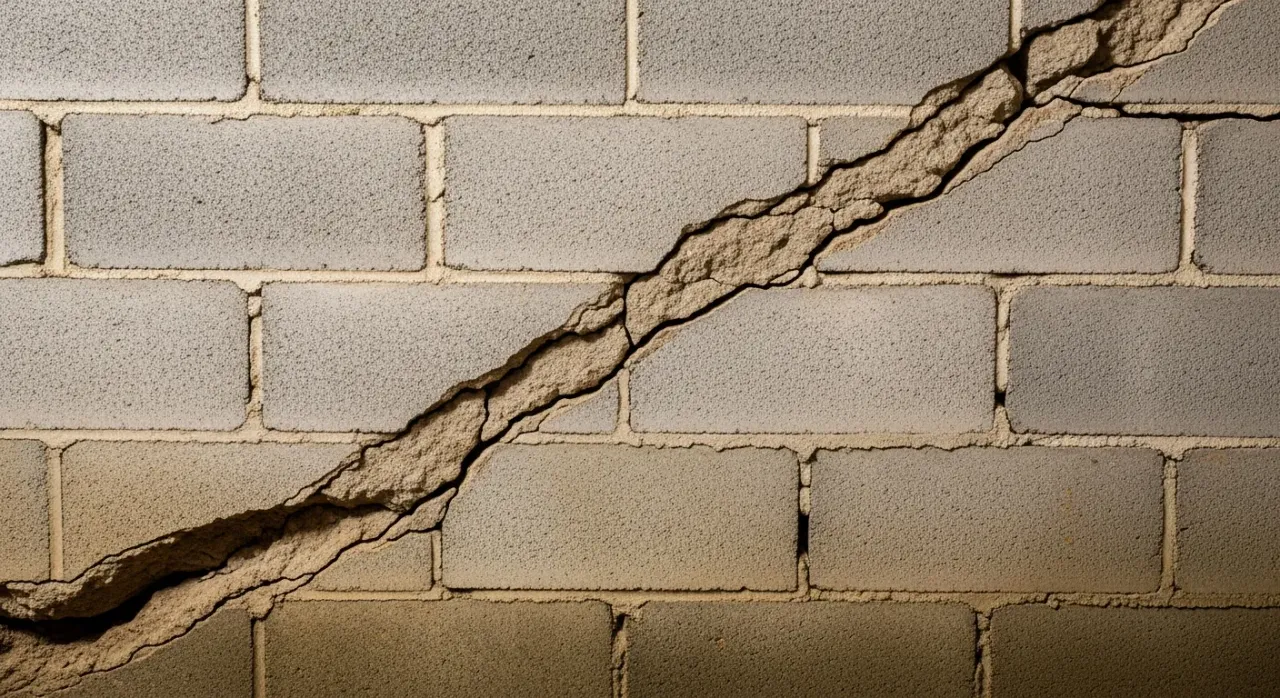
What causes foundation cracks in Michigan homes?
Most Michigan homes develop some foundation cracks over time. Our clay-heavy soils, significant frost depth, and moisture conditions all stress foundations. Understanding crack causes helps you respond appropriately.
What are curing and settlement cracks?
Curing cracks appear within the first year or two after construction. Concrete shrinks slightly as it cures, creating hairline cracks. These are normal and rarely problematic.
Settlement cracks occur as soil beneath your foundation compresses or shifts. Minor settlement is normal; significant differential settlement (one area sinking more than another) causes structural issues.
What Are the Main Causes of Foundation Cracks?
Curing cracks appear within the first year or two after construction. Concrete shrinks slightly as it cures, creating hairline cracks. These are normal and rarely problematic.
Settlement cracks occur as soil beneath your foundation compresses or shifts. Minor settlement is normal; significant differential settlement (one area sinking more than another) causes structural issues.
Why Are Michigan Foundations Especially Vulnerable?
Hydrostatic pressure is a major factor in Michigan. Groundwater pushes against basement walls, especially during spring thaw or heavy rains. Horizontal cracks often indicate this pressure.
Our freeze-thaw cycles stress foundations directly. Frost heave can lift and shift foundations. Repeated cycles cause cumulative damage over decades.
Can trees and drainage cause foundation cracks?
Tree roots can cause foundation problems too. Large trees near foundations draw moisture from soil, causing it to shrink and settle. Root barriers or tree removal may be necessary.
Poor drainage is a controllable factor. Ensure gutters direct water away from your foundation, grading slopes away from the house, and window wells drain properly.
Which Cracks Should Worry Me?
Crack width and type matter. Hairline cracks are usually cosmetic. Cracks over 1/4 inch wide, horizontal cracks, or stair-step patterns through blocks warrant professional assessment.
Watch for changes over time. Mark crack endpoints and check periodically. Growing cracks indicate ongoing movement; stable cracks may have resulted from a one-time event.
Professional repairs range from simple crack sealing to major structural work. Early intervention usually means simpler solutions. Don't ignore warning signs — get a professional foundation assessment.
Frequently Asked Questions
What causes foundation cracks in Michigan homes?
Common causes include curing shrinkage, settlement, hydrostatic pressure from groundwater, freeze-thaw stress, tree roots drawing soil moisture, and poor drainage around the foundation.
Which foundation cracks should worry me?
Hairline cracks are usually cosmetic. Cracks over 1/4 inch wide, horizontal cracks, or stair-step patterns through blocks warrant professional assessment.
How do I know if a crack is still growing?
Mark the crack endpoints with a pencil and check periodically. Growing cracks indicate ongoing movement; stable cracks may have resulted from a one-time event that has stabilized.
Need Professional Help?
If you've identified masonry issues or need a professional inspection, we're here to help. Adam Baker Masonry serves Grand Rapids and the surrounding 50-mile area.
Related Articles
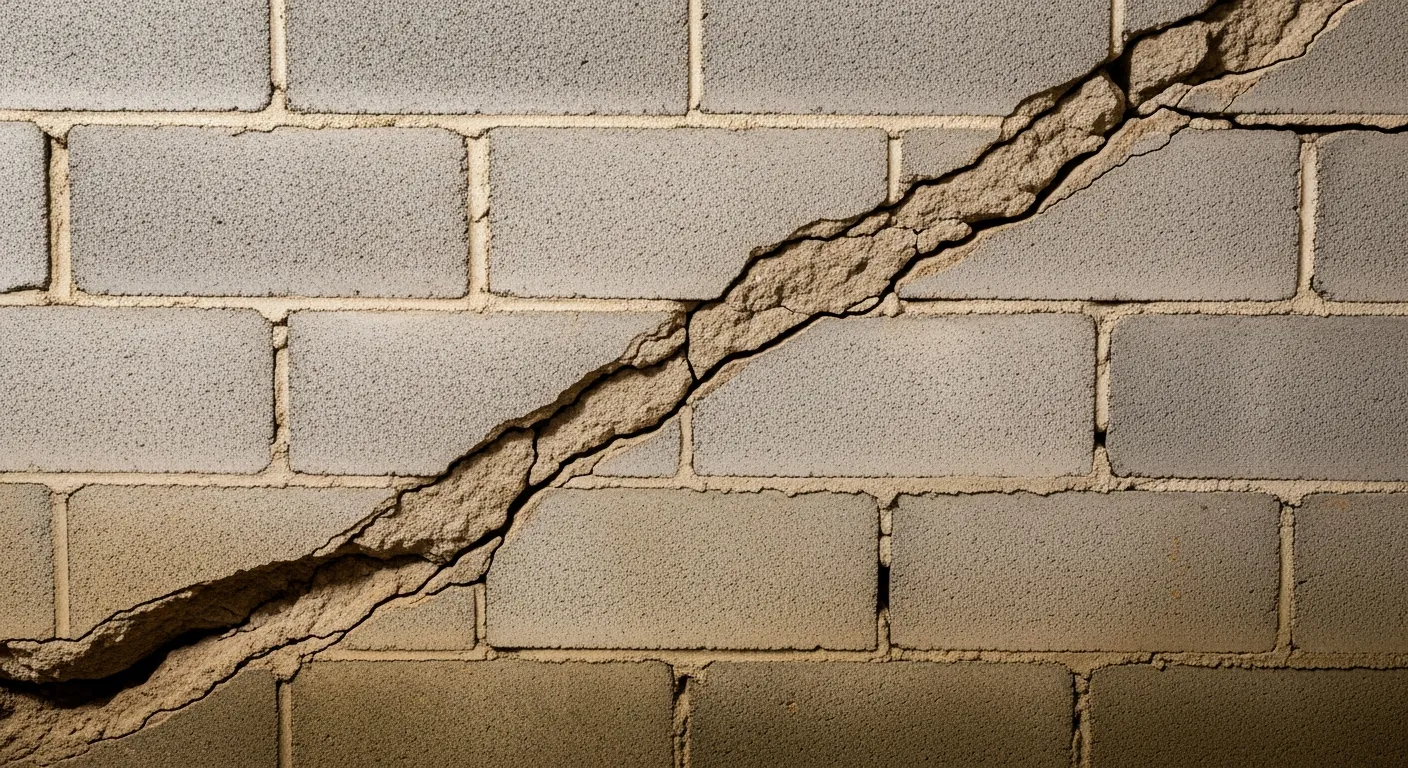
Foundation Repair and Waterproofing in Michigan: What to Know
Foundation issues are the most important problems to address early. Here is what Michigan homeowners need to understand about foundation repair and waterproofing.
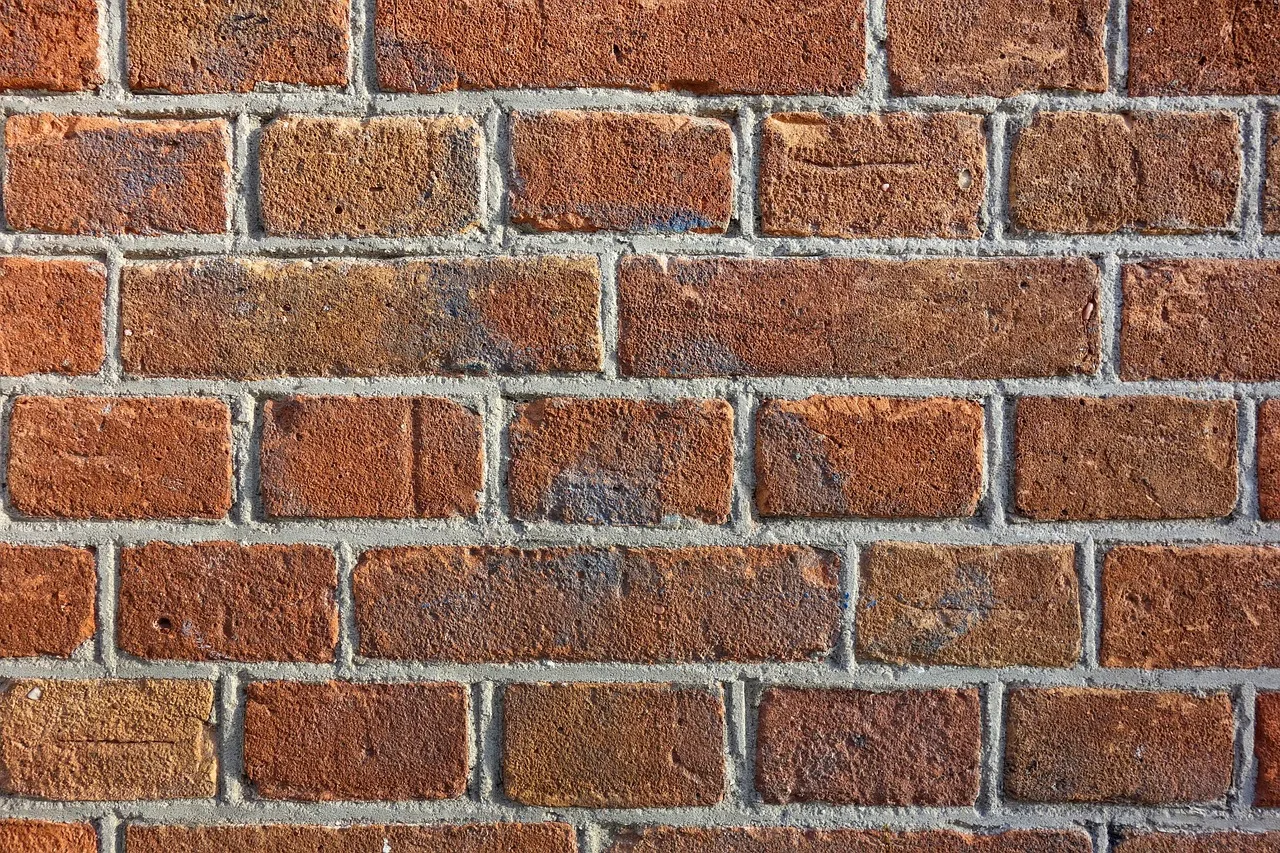
Why Is My Brick Wall Cracking? When to Worry
Not all brick cracks are equal. Some are cosmetic, others indicate serious structural problems. Learn how to read crack patterns and know when to call a professional.
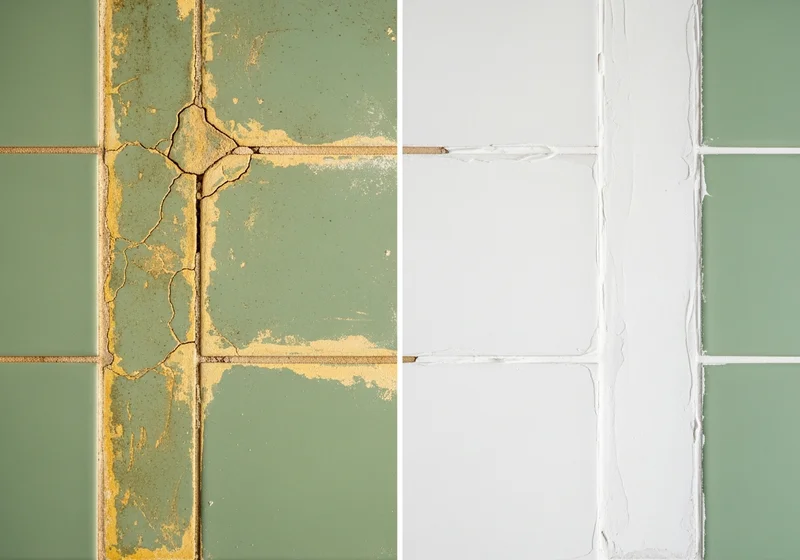
Grout Repair Guide for Grand Rapids Homeowners
Failing grout makes perfectly good tile look tired and neglected. Here is how to know when grout needs repair, what causes grout to fail, and what professional grout repair looks like.