
Why Is My Brick Wall Cracking? When to Worry
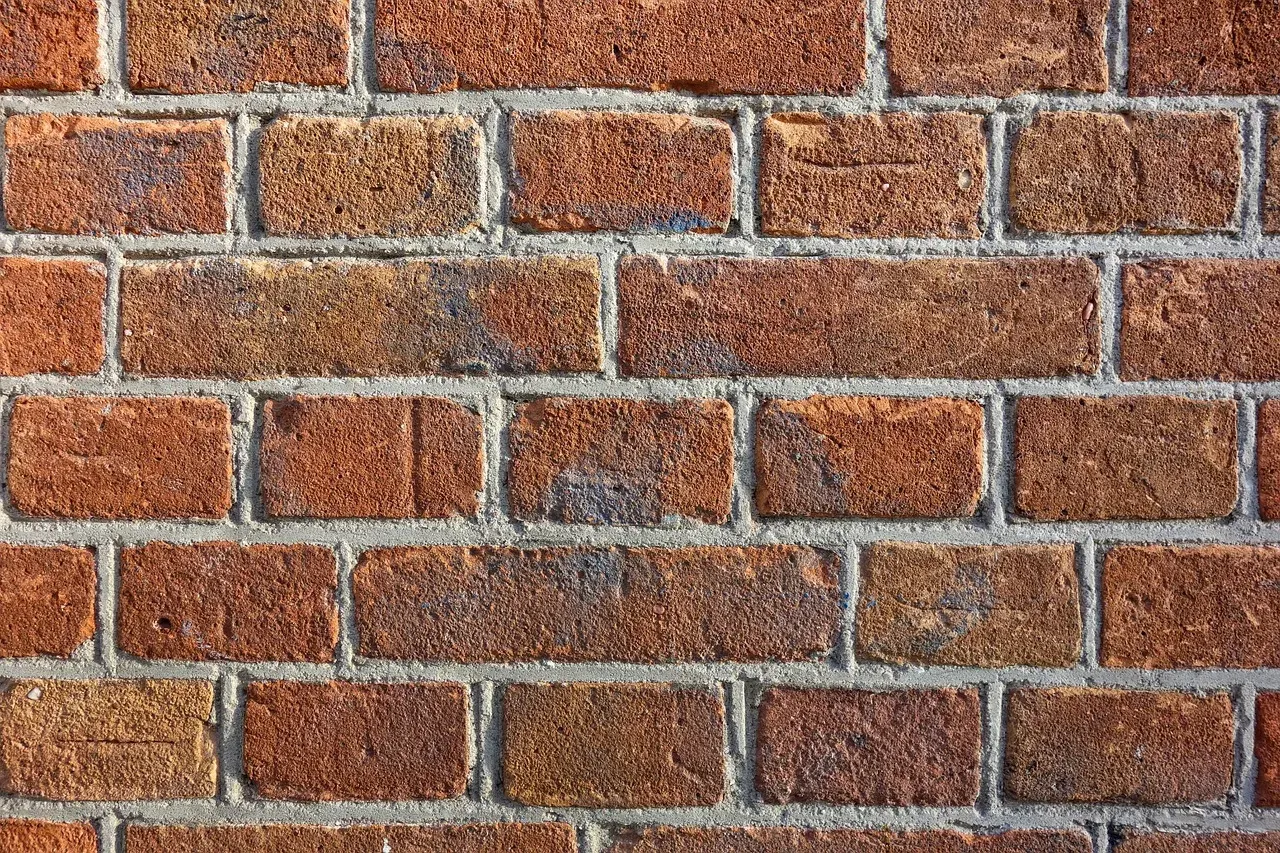
When is a crack in a brick wall a real problem?
Cracks in brick walls range from harmless to seriously concerning. The key is understanding what different crack patterns mean. Here's how to read them like a professional.
What Do Different Crack Patterns Mean?
Stair-step cracks (following mortar joints in a zigzag pattern) often indicate foundation settlement. If these cracks are wider at the top than bottom, one side of your foundation may be sinking.
Are horizontal cracks more serious than vertical ones?
Horizontal cracks in basement walls are potentially serious. They often indicate hydrostatic pressure—groundwater pushing against your foundation. This requires professional assessment.
Vertical cracks are usually less concerning than horizontal ones. They often result from normal concrete curing or minor settling. However, wide vertical cracks (over 1/4 inch) warrant inspection.
Cracks that are wider at the top suggest the wall is leaning outward. This is a structural concern that may worsen over time and needs professional evaluation.
Are Hairline Cracks Serious?
Hairline cracks in mortar joints are often just thermal expansion and contraction. Michigan's temperature swings cause materials to expand and contract seasonally. These are usually cosmetic.
How do I tell if a crack is actively growing?
Watch for cracks that appear suddenly or grow quickly. Mark the ends with a pencil and date them. If cracks extend beyond your marks within weeks, something is actively moving.
Other warning signs to watch for: doors and windows that suddenly stick or won't close properly, gaps appearing between walls and ceiling or floor, and visible bulging or bowing in walls.
When Should I Call a Professional?
When in doubt, get a professional opinion. A masonry contractor in Grand Rapids can assess whether cracks are cosmetic or structural, and whether they indicate ongoing movement or a one-time event that has stabilized. Stair-step or horizontal basement cracks often need a foundation repair assessment.
Catching structural problems early usually means simpler, less involved repairs. Ignoring warning signs can lead to major restoration projects.
Frequently Asked Questions
Are stair-step cracks in brick serious?
Stair-step cracks following mortar joints often indicate foundation settlement. If the cracks are wider at the top than the bottom, one side of your foundation may be sinking. They warrant a professional evaluation.
What about horizontal cracks in basement walls?
Horizontal cracks in basement walls are potentially serious. They often indicate hydrostatic pressure from groundwater pushing against your foundation, which requires professional assessment.
How do I track whether a crack is growing?
Mark the ends of the crack with a pencil and date them. If cracks extend beyond your marks within weeks, something is actively moving and you should consult a professional.
Need Professional Help?
If you've identified masonry issues or need a professional inspection, we're here to help. Adam Baker Masonry serves Grand Rapids and the surrounding 50-mile area.
Related Articles
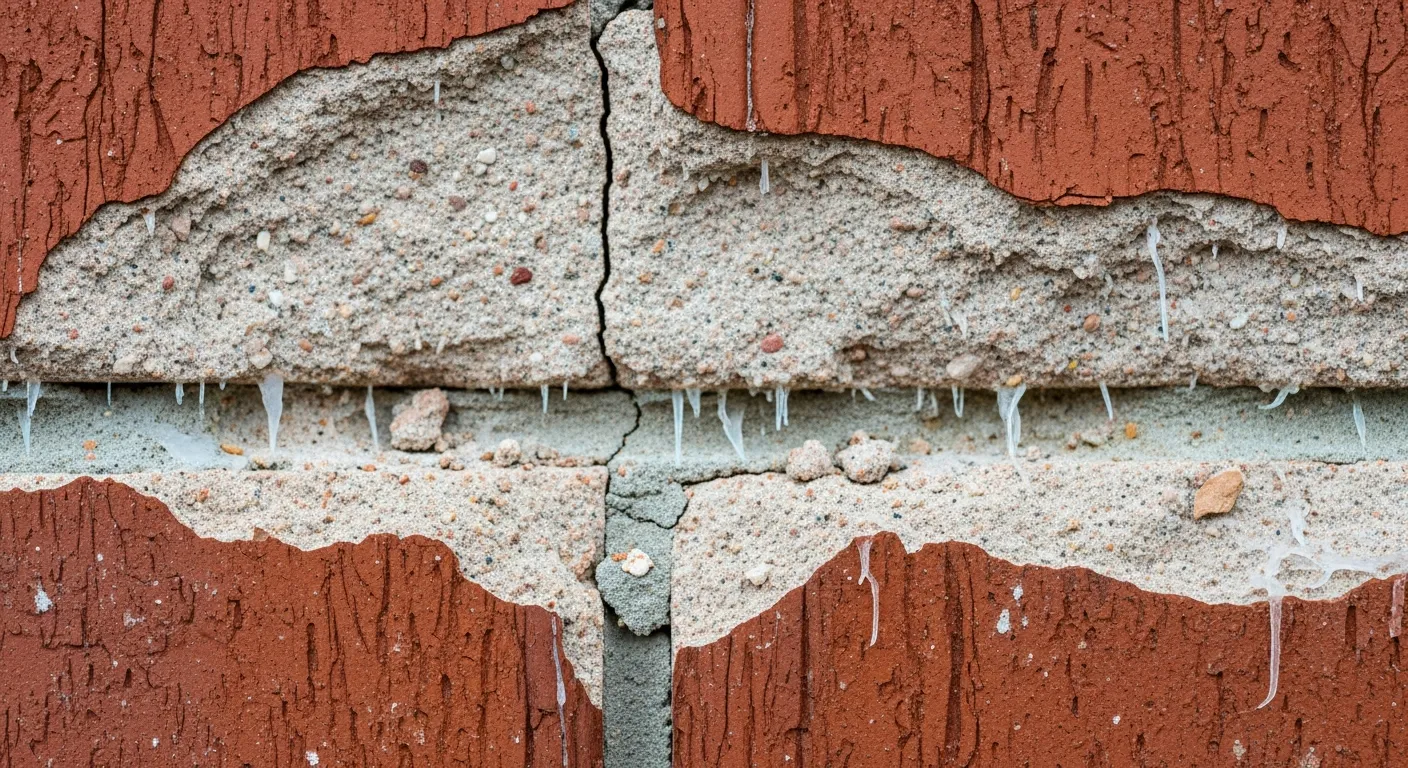
Why Is My Brick Flaking and Peeling Off?
Spalling—when the face of brick flakes away—is one of the most common masonry problems in Michigan. Learn what causes it and whether your bricks can be saved.
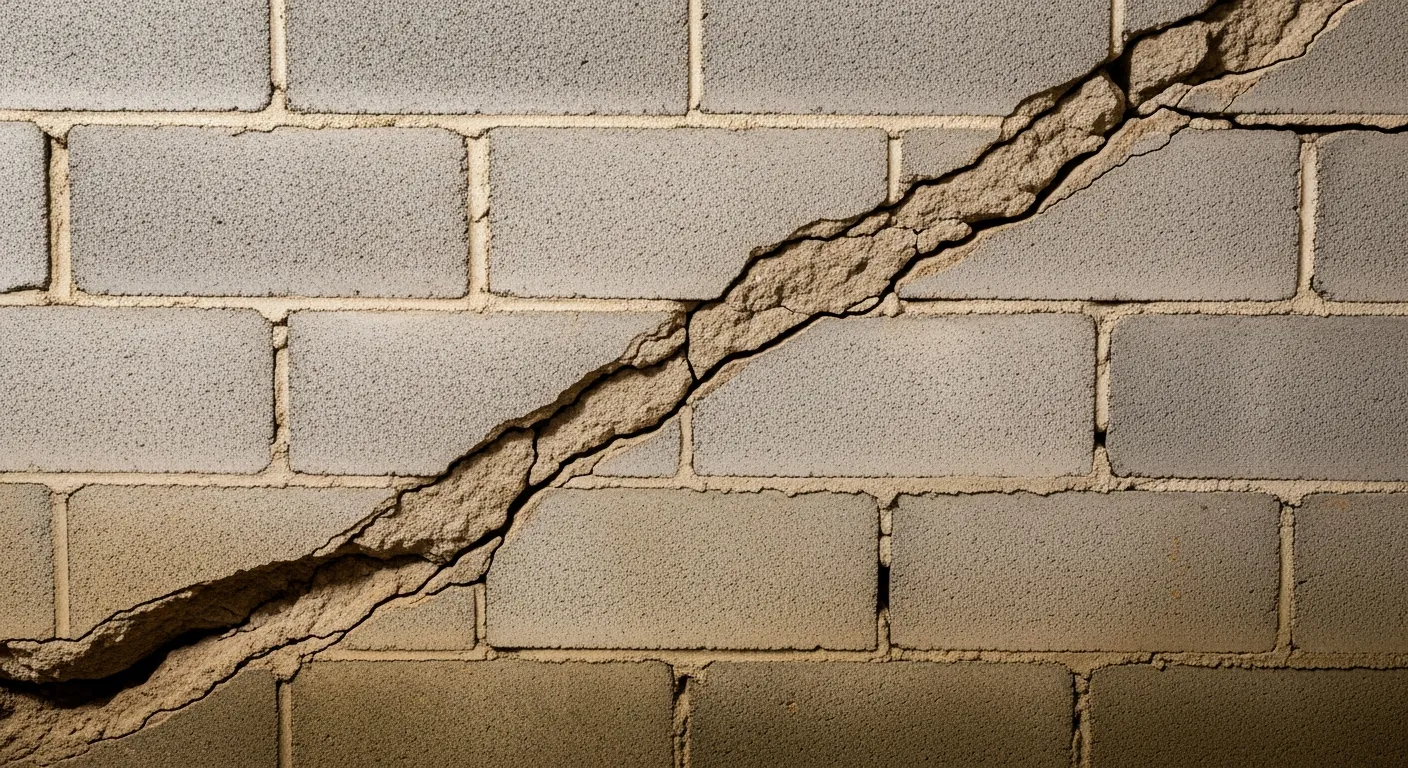
What Causes Foundation Cracks? A Michigan Homeowner's Guide
Foundation cracks are common in Michigan homes, but not all cracks are created equal. Learn what causes them, which ones are concerning, and when you need professional help.
Foundation Repair and Waterproofing in Michigan: What to Know
Foundation issues are the most important problems to address early. Here is what Michigan homeowners need to understand about foundation repair and waterproofing.