
Should I Seal My Brick? The Surprising Answer
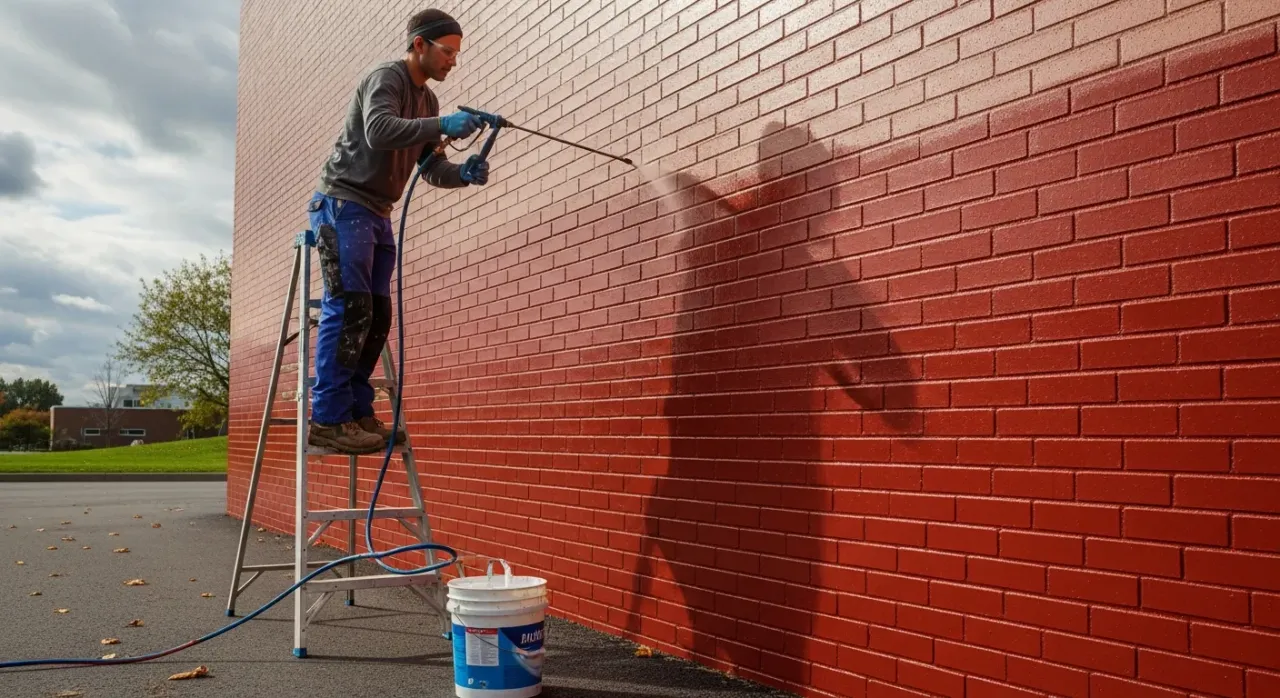
Should I seal my brick house?
Here's a surprise: sealing brick can sometimes cause more harm than good. The key is understanding the difference between film-forming sealers and breathable penetrating sealers.
What's the difference between film-forming and breathable sealers?
Film-forming sealers (like many products at hardware stores) create a barrier on the brick surface. The problem? They trap moisture inside the brick. In Michigan's freeze-thaw climate, this trapped moisture causes spalling.
Breathable penetrating sealers work differently. They allow water vapor to escape while repelling liquid water. If you seal brick, this is the only type you should use.
Why Are Some Sealers Harmful?
Film-forming sealers (like many products at hardware stores) create a barrier on the brick surface. The problem? They trap moisture inside the brick. In Michigan's freeze-thaw climate, this trapped moisture causes spalling.
Breathable penetrating sealers work differently. They allow water vapor to escape while repelling liquid water. If you seal brick, this is the only type you should use.
Does My Brick Even Need Sealing?
Many well-maintained brick walls don't need sealing at all. Brick is naturally durable. If your mortar joints are in good condition and you don't have moisture problems, sealing may be unnecessary.
When Does Sealing Make Sense?
When sealing makes sense: high-exposure areas like chimneys, retaining walls with ground contact, below-grade foundation walls, and brick that has shown moisture problems in the past.
When should you avoid sealing brick?
Never seal brick that's actively showing efflorescence. The seal traps salts inside, making the problem worse. First identify and fix the moisture source — often failed mortar joints that need tuckpointing — then consider professional masonry cleaning to remove surface buildup before sealing.
New mortar needs to cure before sealing. Wait at least 28 days after repointing before applying any sealer. Sealing too soon traps moisture in uncured mortar and causes premature failure.
What about sealing patios and walkways?
For patios and walkways, penetrating sealers help prevent staining and make cleaning easier. These horizontal surfaces benefit more from sealing than vertical walls.
If you're unsure whether your brick needs sealing, ask a masonry professional. We can assess your specific situation and recommend the right approach—which might be no sealer at all.
Frequently Asked Questions
Should I seal my brick house?
Many well-maintained brick walls don't need sealing at all. Brick is naturally durable. If your mortar joints are in good condition and you don't have moisture problems, sealing may be unnecessary.
What kind of sealer should I use on brick?
Only breathable penetrating sealers should be used on brick. They allow water vapor to escape while repelling liquid water. Film-forming sealers can trap moisture inside and cause spalling.
Can I seal brick that has efflorescence?
Never seal brick that's actively showing efflorescence. The seal traps salts inside, making the problem worse. First identify and fix the moisture source, then consider sealing.
Need Professional Help?
If you've identified masonry issues or need a professional inspection, we're here to help. Adam Baker Masonry serves Grand Rapids and the surrounding 50-mile area.
Related Articles
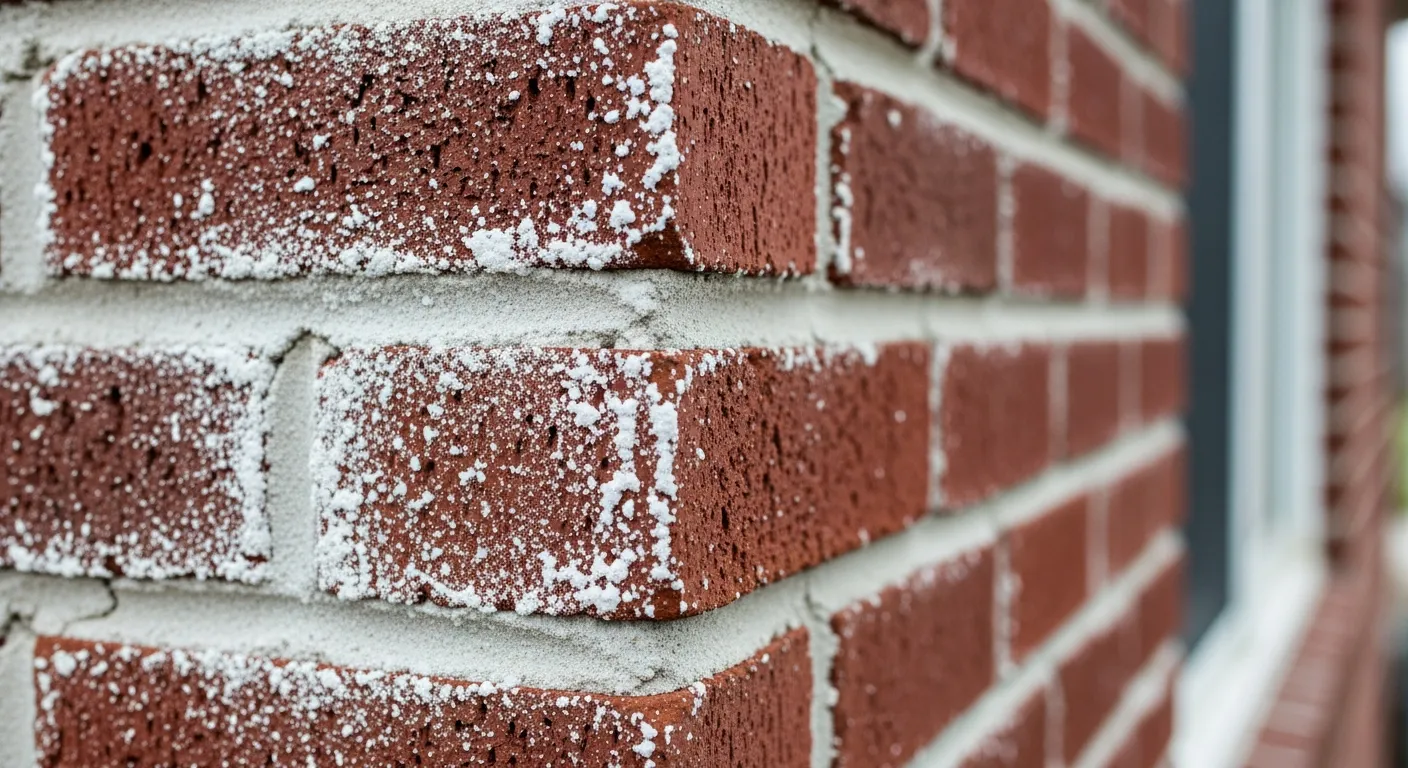
What Is That White Powder on My Brick Walls?
That chalky white substance is called efflorescence—and it's telling you something important about moisture in your masonry. Here's what causes it and how to fix it.
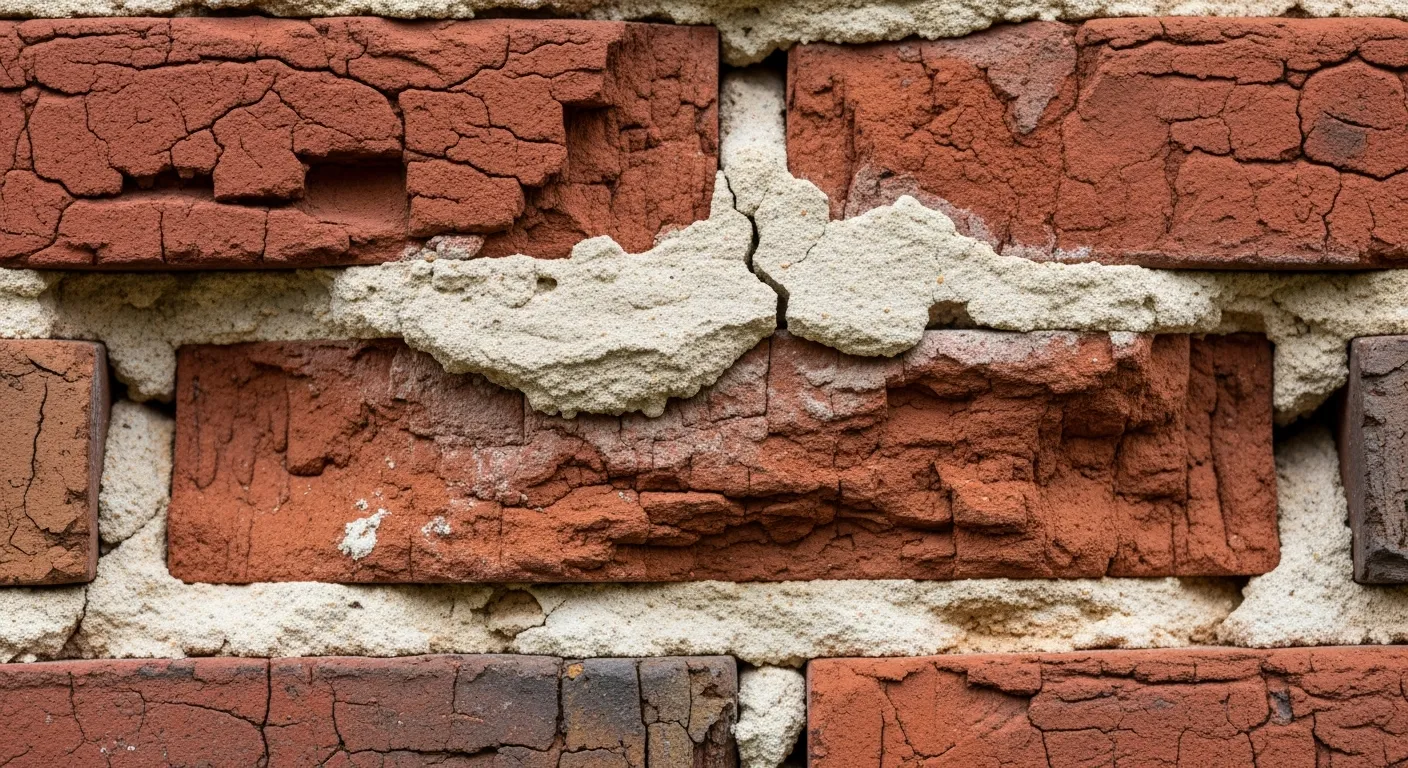
How Long Does Mortar Last Before It Needs Replacing?
Mortar is designed to be the 'sacrificial' element in masonry—it wears out so your brick doesn't have to. Here's how long you can expect it to last and signs it's time to repoint.
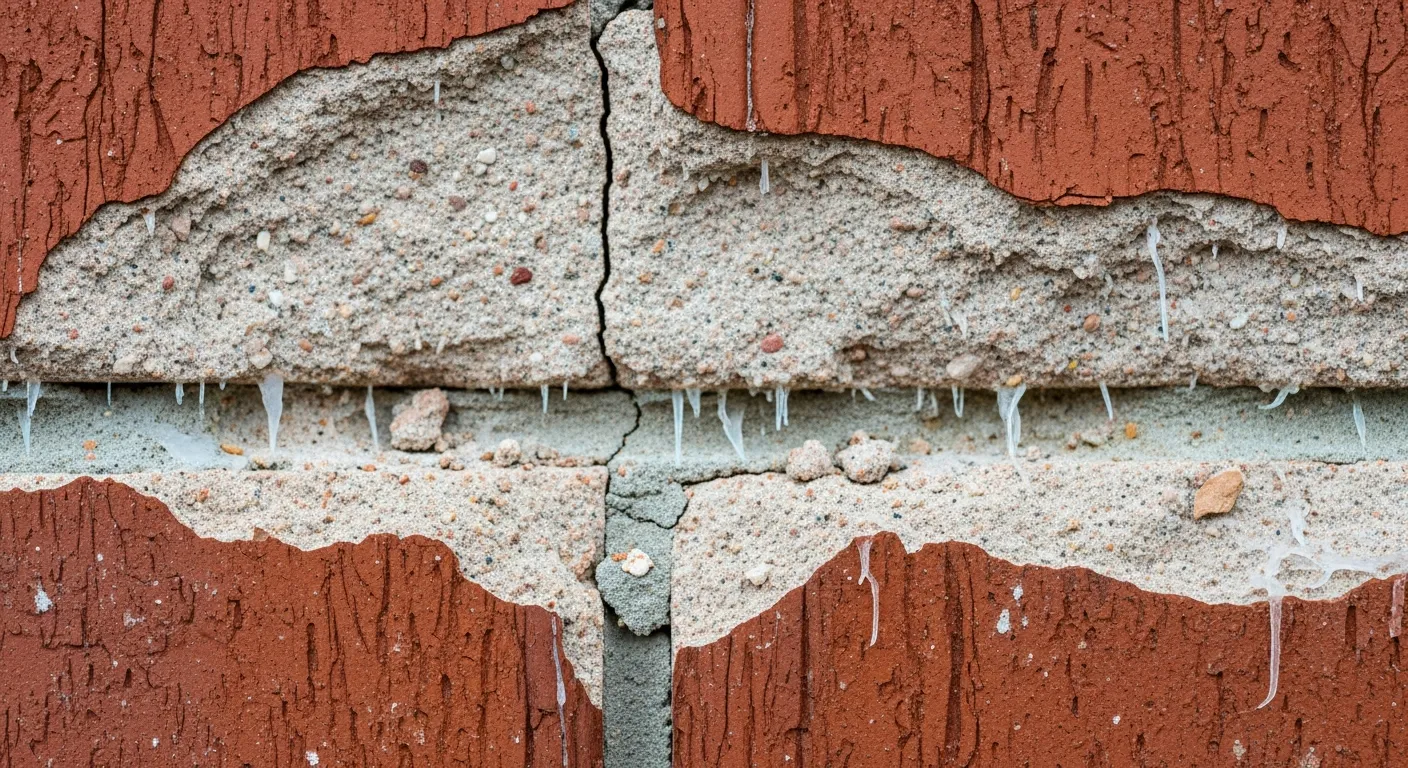
Why Is My Brick Flaking and Peeling Off?
Spalling—when the face of brick flakes away—is one of the most common masonry problems in Michigan. Learn what causes it and whether your bricks can be saved.