
Is Tile a Good Choice for Kitchen Floors? Best Tile for West Michigan Kitchens
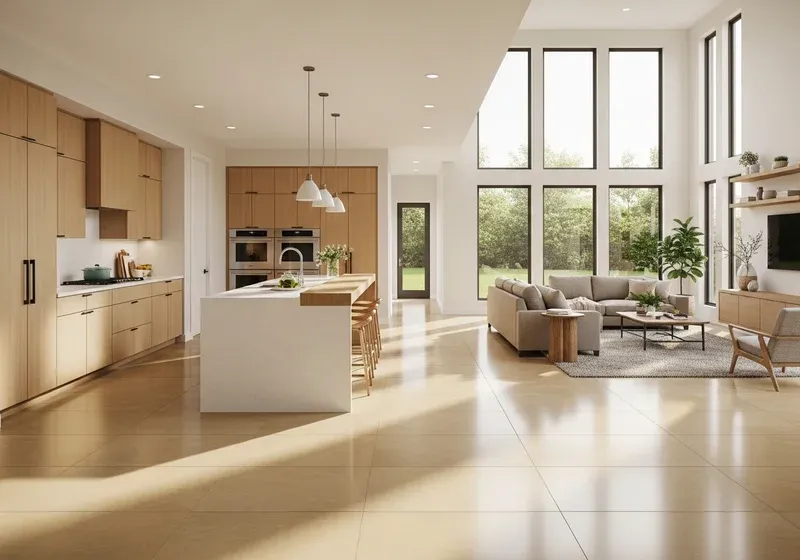
Yes — tile is one of the best flooring choices for a kitchen. It shrugs off water, stains, dropped cookware, and years of foot traffic without scratching or warping, and it wipes clean with a simple mop. For West Michigan kitchens, porcelain tile is usually the top pick because it is dense, hard, and handles spills and salt-tracked winter boots better than almost any other floor.
Is tile a good choice for a kitchen floor?
Tile is an excellent choice for a kitchen floor because kitchens are wet, busy, high-traffic rooms and tile is built for exactly those conditions. Water from the sink and dishwasher does not damage it, spilled sauce and grease wipe up instead of staining, and a heavy pot dropped on porcelain almost never leaves a mark. In a West Michigan kitchen, where winter brings in snow, slush, and road salt on everyone's shoes, a sealed tile floor cleans up in seconds and lasts for decades — something laminate, vinyl, and hardwood struggle to match in the same room.
What is the best tile for a kitchen floor?
The best tile for a kitchen floor is a through-body porcelain in a matte or textured finish. Porcelain is denser and harder than ceramic, so it resists chips, scratches, and moisture better — important in a room where things get dropped and spilled daily. A matte or honed finish hides everyday wear and offers better traction than a high-gloss tile. Larger-format tiles mean fewer grout lines to clean, while a tile with some surface texture gives a kitchen the slip resistance it needs. We help homeowners weigh these trade-offs during the design stage so the floor fits how the kitchen actually gets used.
Is porcelain or ceramic tile better for a kitchen floor?
Porcelain is generally the better choice for a kitchen floor because it is denser, harder, and more moisture-resistant than standard ceramic, which makes it more durable under daily kitchen use. Ceramic can still work well for lighter-use kitchens and is often a bit easier on the budget. The right call depends on your traffic, your tile choice, and your priorities — our guide on porcelain versus ceramic tile breaks down the differences in detail.
Is tile flooring too hard or cold for a kitchen?
Tile is harder and cooler underfoot than wood or vinyl, but most homeowners find it comfortable in a kitchen, and there are easy ways to soften both. A cushioned anti-fatigue mat at the sink and stove handles the hardness where you stand most, and area rugs add warmth and comfort underfoot. If a warm floor is a priority, electric radiant heat can be installed under the tile to take the winter chill off — a popular upgrade in colder West Michigan homes.
How long does a tile kitchen floor last?
A professionally installed tile kitchen floor can last for decades — often the life of the home — because the tile itself does not wear out the way softer floors do. Grout maintenance matters too; when joints crack or stain beyond cleaning, our tile grout repair service handles regrouting as part of larger kitchen projects. The variable is the installation: a floor set on a properly prepared, flat substrate with the right setting materials and grout will outlast one that was rushed. That is why we focus so much on substrate prep. If you want to compare tile against wood for the room, our article on tile versus hardwood kitchen floors covers the long-term trade-offs.
Adam Baker Masonry installs kitchen tile floors for homeowners throughout Grand Rapids, Ada, East Grand Rapids, Rockford, Holland, and Cascade. If you are planning a new kitchen floor, our kitchen tile installation service covers floors, kitchen backsplash installation, and surrounds together through our tile contractor services. Call (616) 612-1284 for a free written estimate.
Frequently Asked Questions
Is tile good for kitchen floors?
Yes. Tile resists water, stains, and heavy use better than most flooring, making it ideal for a kitchen. Porcelain tile in particular handles dropped cookware, spills, and salt-tracked winter boots without damage, and it wipes clean easily. With a professional installation it can last for decades in a busy West Michigan kitchen.
What is the best tile for a kitchen floor?
A through-body porcelain in a matte or textured finish is the best all-around kitchen floor tile. Porcelain is dense, hard, and moisture-resistant, while a matte finish hides wear and adds traction. Larger formats reduce grout lines, and a textured surface improves slip resistance — all useful in a high-traffic kitchen.
Is porcelain or ceramic tile better for a kitchen floor?
Porcelain is usually the better choice because it is denser, harder, and more water-resistant than ceramic, so it holds up better under daily kitchen use. Ceramic can work well in lighter-use kitchens and is often more budget-friendly. The right option depends on your traffic level, tile selection, and priorities.
Are tile kitchen floors cold and hard in winter?
Tile is cooler and firmer underfoot than wood or vinyl, but it is comfortable for most kitchens. Anti-fatigue mats at the sink and stove and area rugs add warmth and cushioning. For a warm floor, electric radiant heat can be installed under the tile — a popular upgrade in colder West Michigan homes.
Do tile floors increase the value of a kitchen?
A well-installed tile floor is widely seen as a durable, premium feature that appeals to buyers, especially in a kitchen. Because tile lasts for decades and resists everyday damage, it is often viewed as a long-term upgrade rather than something that will need replacing soon, which helps the overall appeal of the home.
Need Professional Help?
If you've identified masonry issues or need a professional inspection, we're here to help. Adam Baker Masonry serves Grand Rapids and the surrounding 50-mile area.
Related Articles
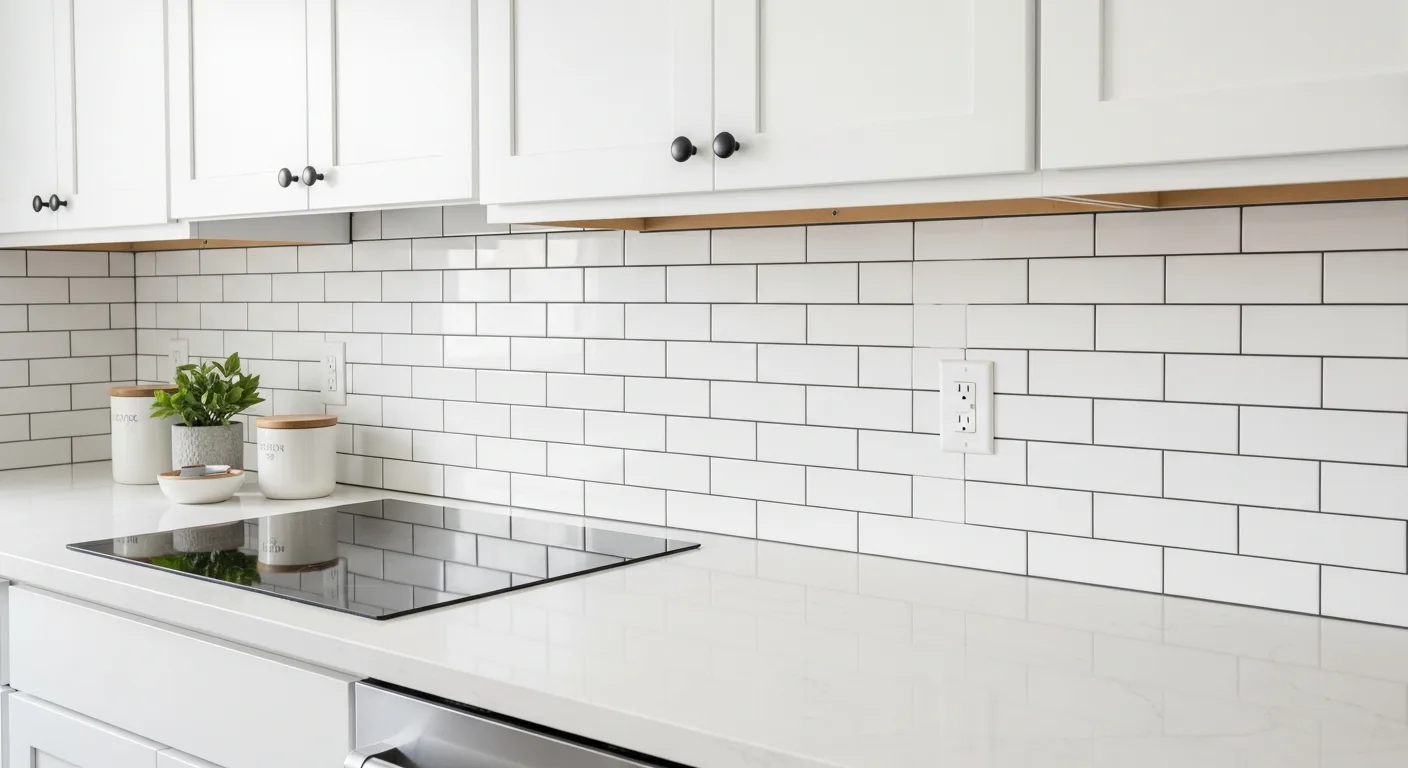
Can You Install a Backsplash Directly on Drywall?
In most kitchens, yes — standard tile goes right over sound drywall. The answer changes when the wall is painted glossy, damaged, or you have picked a heavy natural stone. Here is how to tell which situation you are in.
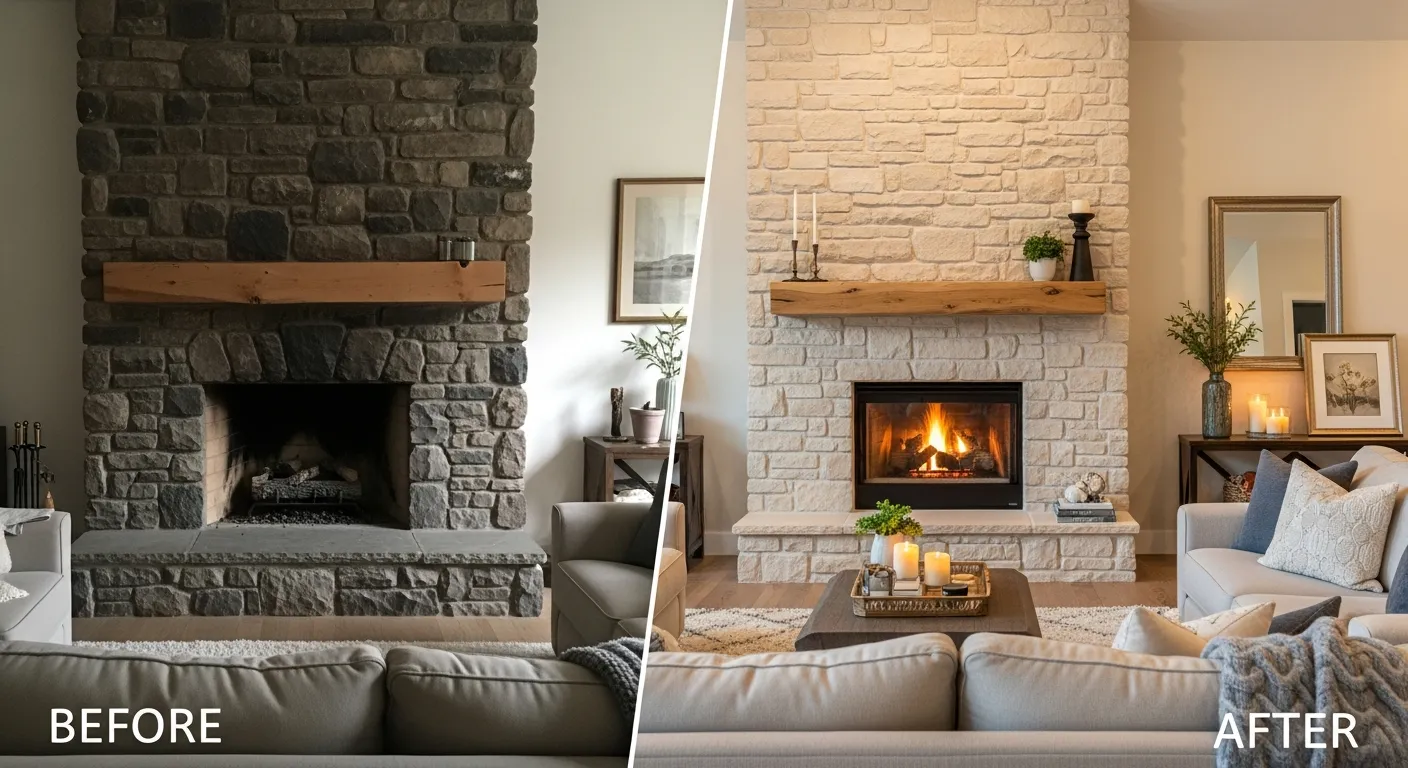
Fireplace Remodel in Michigan: Options and What to Expect
From a simple mantel update to a full stone surround transformation, here is what goes into a fireplace remodel in West Michigan.
Fireplace Resurfacing: Materials, Process, and What to Expect
Thinking about resurfacing your fireplace? Here is a straightforward look at the material options and process for West Michigan homeowners.
Tile Contractor Services Across West Michigan
Adam Baker Masonry serves homeowners throughout the Grand Rapids area and West Michigan. Select your city for local tile installation details.