
Is Tile Flooring Slippery? Choosing Slip-Resistant Tile for Your Kitchen
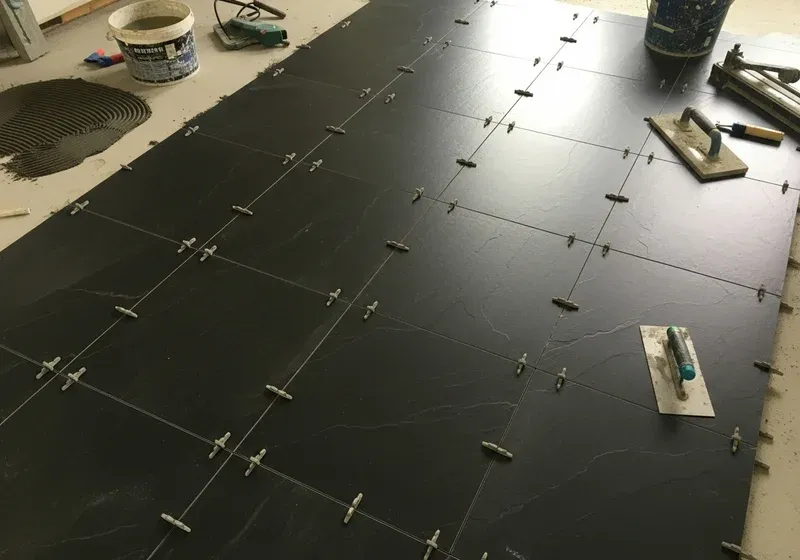
Tile flooring is only as slippery as the finish you choose. A polished, high-gloss tile can be slick when wet, but matte, honed, and textured tiles offer strong slip resistance — ideal for a kitchen where spills happen. Look for tile rated for slip resistance with a textured surface, especially in a West Michigan kitchen where winter boots track in water and salt.
Is tile flooring slippery when wet?
Tile flooring can be slippery when wet, but it depends almost entirely on the finish, not on tile in general. A smooth, polished, high-gloss tile has very little traction with water on it, while a matte or textured tile keeps its grip even when wet. Because kitchens regularly see water around the sink and dishwasher — and West Michigan kitchens see melting snow and slush off boots all winter — choosing a finish made for traction matters more here than in almost any other room.
What makes a kitchen tile slip-resistant?
Slip resistance comes down to surface texture and finish. Tiles with a matte, honed, structured, or lightly textured surface grip the foot better than glossy, polished tiles. Manufacturers publish slip-resistance ratings, so you can choose a tile specifically rated for wet areas and floors rather than guessing. Smaller tiles also add slip resistance because they put more grout lines across the floor, and grout lines give the foot extra grip. We help homeowners read these ratings and choose a floor that is safe for the way a kitchen actually gets used.
Are matte tiles less slippery than glossy tiles?
Yes. Matte and honed tiles are noticeably less slippery than glossy, polished tiles, especially when wet, because their surface has more texture for a foot to grip. Glossy tiles look striking and reflect light, but that smooth, reflective surface offers little traction once water is on it. In a kitchen, a matte or textured finish is almost always the safer, more practical choice.
What is the best slip-resistant tile for a kitchen floor?
The best slip-resistant kitchen tile is a matte or textured porcelain rated for floor use in wet areas. Porcelain gives you the durability a kitchen needs, and a matte or structured finish gives you traction underfoot. Wood-look porcelain planks and stone-look tiles often come in textured finishes that combine grip with a warm appearance. The right choice balances slip resistance, durability, and the look you want — something we walk through during the design stage of a kitchen tile installation.
How do you make an existing tile floor less slippery?
If you already have a slick tile floor, you can improve traction without replacing it. Anti-slip treatments and coatings increase the floor's grip, textured mats and runners help in high-spill zones like in front of the sink, and keeping the floor clean of greasy residue makes a real difference, since film build-up reduces traction. If the floor is badly worn or the tile is simply too smooth for a busy kitchen, replacing it with a textured, slip-rated tile is the lasting fix.
Adam Baker Masonry installs slip-resistant kitchen tile floors for homeowners across Grand Rapids, Ada, East Grand Rapids, Rockford, and Cascade. Our kitchen tile installation service covers floor, kitchen backsplash installation, and surrounds together through our tile contractor services. Call (616) 612-1284 for a free written estimate, or read our guide on whether tile is a good choice for kitchen floors to start planning.
Frequently Asked Questions
Is tile flooring slippery?
Tile is only slippery if you choose a smooth, polished, high-gloss finish. Matte, honed, and textured tiles offer strong slip resistance, even when wet. Because a kitchen regularly sees spills and tracked-in water, choosing a tile with a textured finish rated for slip resistance keeps the floor safe.
What is the best non-slip tile for a kitchen floor?
A matte or textured porcelain rated for floor use in wet areas is the best non-slip kitchen tile. Porcelain provides the durability a kitchen needs, while a matte or structured surface adds traction. Wood-look and stone-look porcelain often come in textured finishes that pair grip with a warm appearance.
Are matte tiles less slippery than glossy tiles?
Yes. Matte and honed tiles are less slippery than glossy, polished tiles, especially when wet, because their textured surface gives the foot more grip. Glossy tiles reflect light beautifully but offer little traction once water is on them, so matte or textured finishes are the safer kitchen choice.
How can I make my tile floor less slippery?
You can improve an existing tile floor's traction with anti-slip treatments or coatings, textured mats and runners in high-spill areas, and regular cleaning to remove greasy film that reduces grip. If the tile is simply too smooth or badly worn for a busy kitchen, replacing it with a textured, slip-rated tile is the lasting fix.
Need Professional Help?
If you've identified masonry issues or need a professional inspection, we're here to help. Adam Baker Masonry serves Grand Rapids and the surrounding 50-mile area.
Related Articles
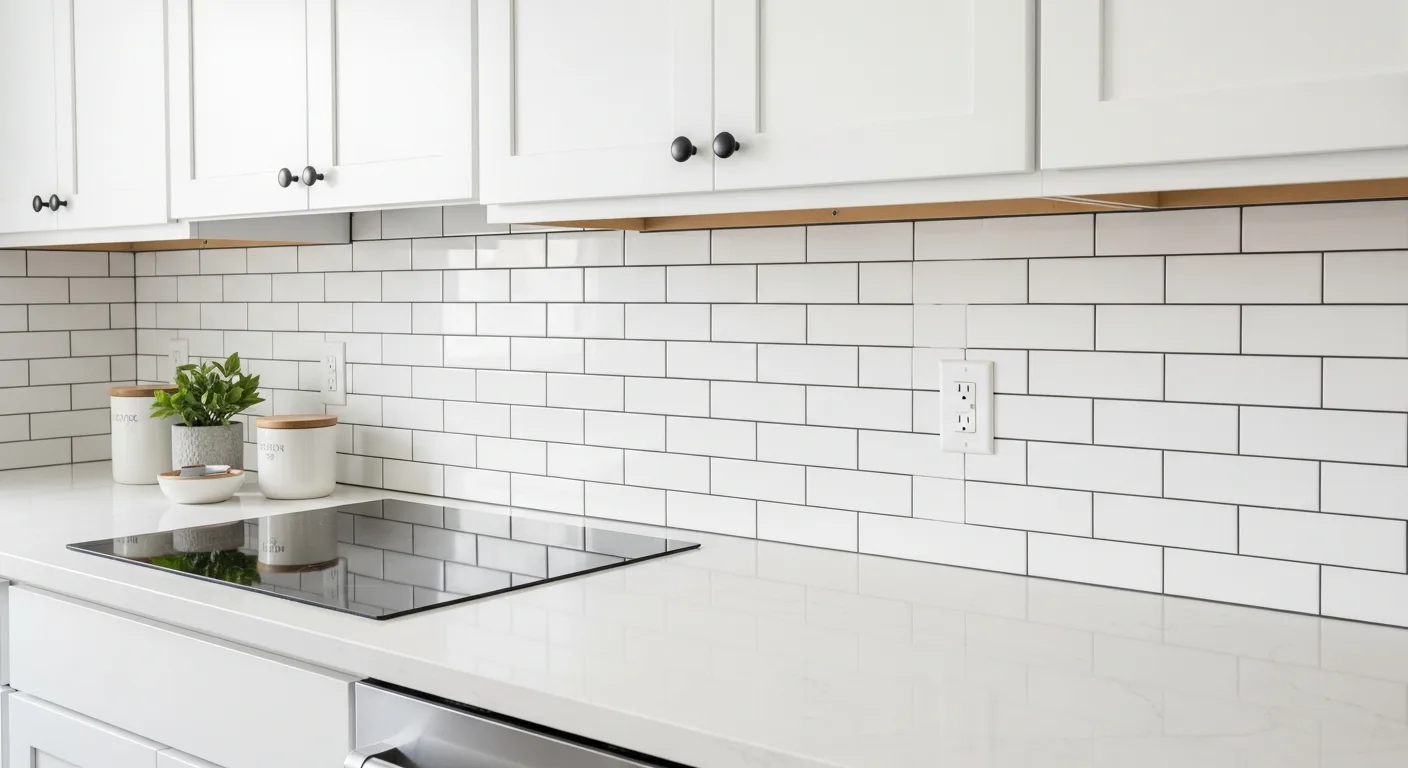
Can You Install a Backsplash Directly on Drywall?
In most kitchens, yes — standard tile goes right over sound drywall. The answer changes when the wall is painted glossy, damaged, or you have picked a heavy natural stone. Here is how to tell which situation you are in.
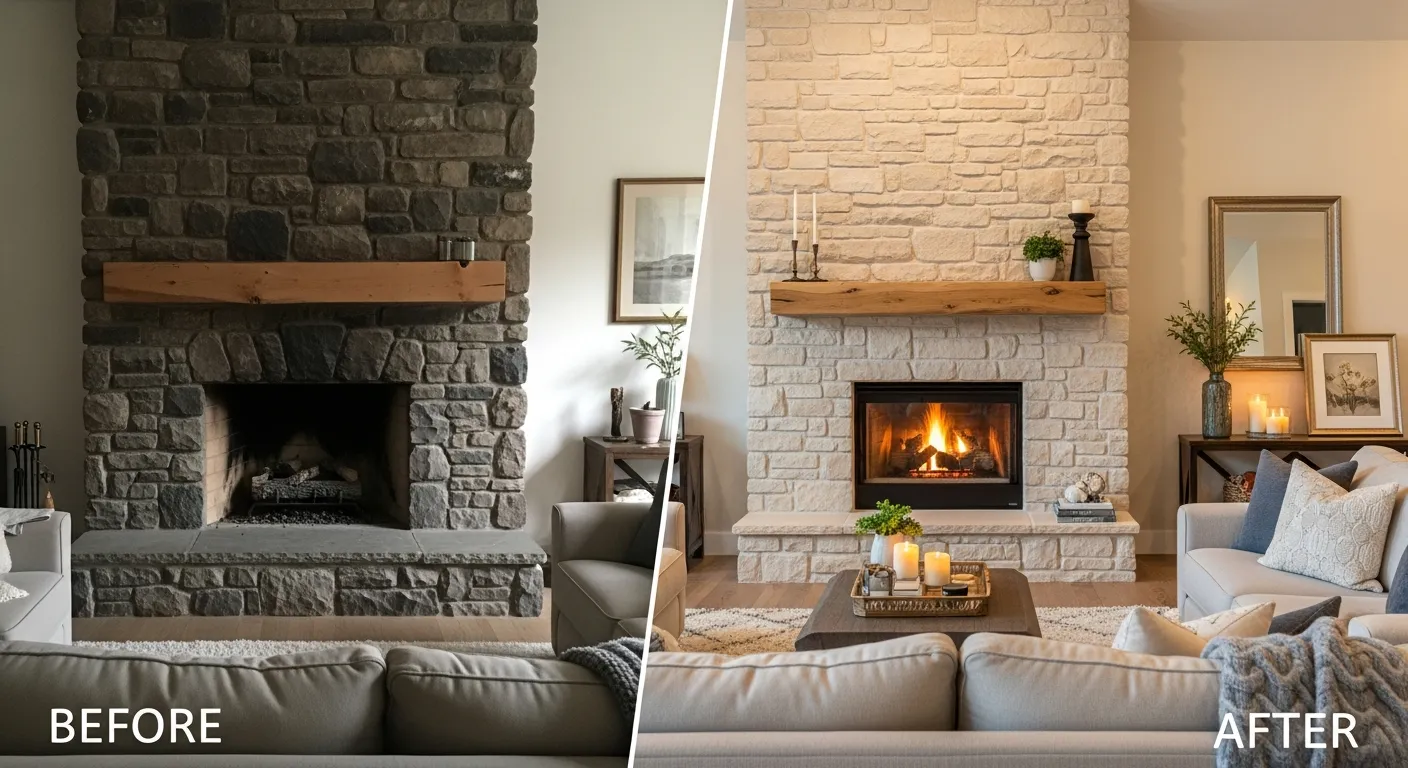
Fireplace Remodel in Michigan: Options and What to Expect
From a simple mantel update to a full stone surround transformation, here is what goes into a fireplace remodel in West Michigan.
Fireplace Resurfacing: Materials, Process, and What to Expect
Thinking about resurfacing your fireplace? Here is a straightforward look at the material options and process for West Michigan homeowners.
Tile Contractor Services Across West Michigan
Adam Baker Masonry serves homeowners throughout the Grand Rapids area and West Michigan. Select your city for local tile installation details.