
Should You Install Tile Flooring Before or After Kitchen Cabinets?
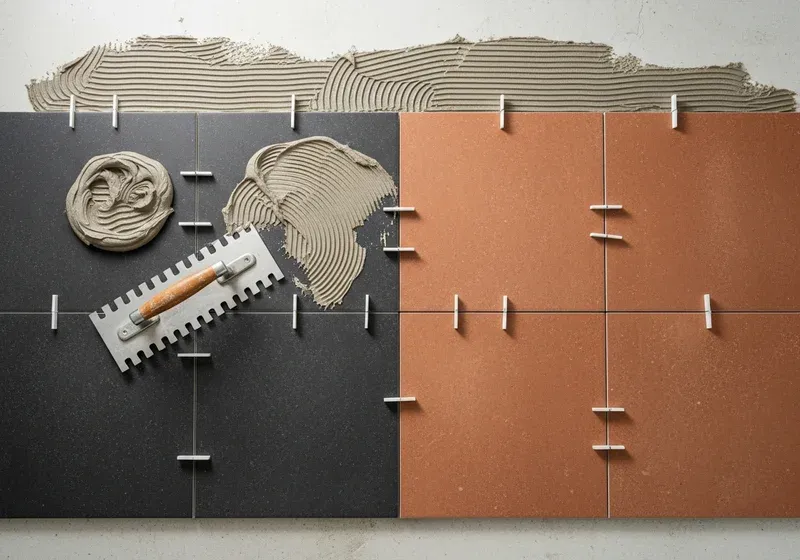
In most kitchen remodels, the cabinets go in first and the tile floor is installed afterward, tiling up to the cabinet toe-kick. This approach uses less tile, keeps your floor height consistent with adjoining rooms, and is the standard for a typical West Michigan kitchen. Tiling before the cabinets is sometimes chosen for future flexibility, but it costs more and is rarely necessary.
Should you install tile flooring before or after kitchen cabinets?
For most kitchens, tile flooring is installed after the cabinets are set. The cabinets are positioned and leveled first, then the tile floor is run up to the toe-kick. This is the common professional sequence because it avoids tiling under areas no one will ever see, keeps the finished floor at the same height as the hallways and rooms it connects to, and protects the new floor from the heavy work of setting cabinets and countertops. There are good reasons to do the reverse in certain projects, but cabinets-first is the default we recommend for most West Michigan kitchen remodels.
What are the benefits of installing the cabinets first?
Installing cabinets first saves tile and labor because you are not tiling the large footprint hidden beneath the cabinet boxes. It also keeps the floor height down, which matters when the kitchen opens onto a hallway or adjoining room with existing flooring — a raised tile floor under the cabinets would push your finished floor higher than the rooms around it. Finally, doing the floor last keeps a freshly tiled surface from being scratched, chipped, or stained while crews move and install heavy cabinets and stone countertops.
When does it make sense to tile before the cabinets go in?
Tiling before the cabinets — sometimes called a 'full tile' floor — makes sense when you want maximum flexibility to rearrange or replace cabinets later without patching the floor, or when the design calls for it. Some homeowners planning to change their layout down the road prefer a continuous tile floor underneath everything. It costs more in tile and labor, and it raises the height the cabinets sit at, so it is a deliberate choice rather than the default. We talk through whether it is worth it for your specific kitchen during the estimate.
Do you tile under kitchen cabinets and appliances?
When cabinets go in first, the tile stops at the toe-kick rather than running under the cabinet boxes, but you do tile into the spaces where freestanding appliances live. The opening for a range, refrigerator, or dishwasher should be tiled so the appliance sits at the right height and can be pulled out for service or replacement without hitting an untiled drop-off. Planning these appliance openings correctly is part of laying out the floor before the first tile goes down.
Does tiling before or after cabinets cost more?
Tiling before the cabinets costs more because you are covering the entire room — including the large area hidden under the cabinets — with tile and labor you will never see. Tiling after the cabinets covers only the visible floor, which uses less material and less time. Unless you have a specific reason to tile the full footprint, finishing the floor after the cabinets is the more cost-effective sequence.
Adam Baker Masonry installs kitchen tile floors as part of full remodels throughout Grand Rapids, Ada, Forest Hills, Rockford, and Cascade, and we coordinate the floor timing with your cabinet and countertop install. See our kitchen tile installation, kitchen backsplash installation, and tile contractor services or call (616) 612-1284 for a free written estimate. If you are still choosing a floor, our guide on whether tile is a good choice for kitchen floors is a good place to start.
Frequently Asked Questions
Should you install tile flooring before or after kitchen cabinets?
In most kitchens, tile is installed after the cabinets, with the floor running up to the toe-kick. This sequence uses less tile, keeps the floor height consistent with adjoining rooms, and protects the new floor while heavy cabinets and countertops are set. Tiling before cabinets is reserved for specific situations.
Do you tile under kitchen cabinets?
When cabinets are installed first, the tile usually stops at the toe-kick rather than running under the cabinet boxes, which saves tile and labor. However, the openings for freestanding appliances like the range, refrigerator, and dishwasher are tiled so they sit at the right height and can be pulled out for service.
Is it cheaper to tile before or after installing cabinets?
Tiling after the cabinets is cheaper because you only cover the visible floor instead of the entire room, including the large area hidden beneath the cabinets. Tiling the full footprint before cabinets uses more material and labor, so it is generally chosen for flexibility rather than to save money.
Why do contractors tile after the cabinets are installed?
Tiling after the cabinets keeps the finished floor height level with adjoining rooms, avoids wasting tile under the cabinet boxes, and protects the new floor from damage while crews set heavy cabinets and stone countertops. It is the standard professional sequence for most kitchen remodels.
Need Professional Help?
If you've identified masonry issues or need a professional inspection, we're here to help. Adam Baker Masonry serves Grand Rapids and the surrounding 50-mile area.
Related Articles
Can You Install a Backsplash Directly on Drywall?
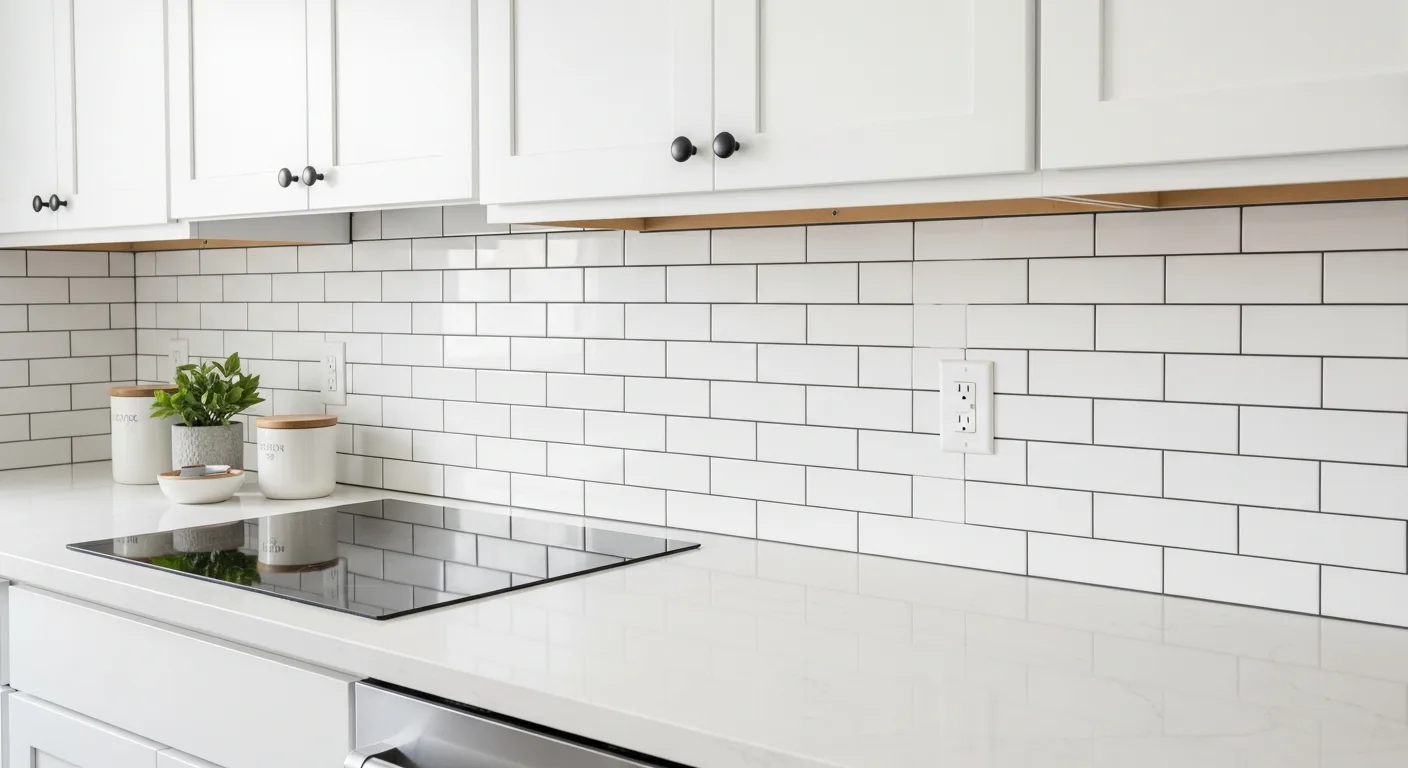
In most kitchens, yes — standard tile goes right over sound drywall. The answer changes when the wall is painted glossy, damaged, or you have picked a heavy natural stone. Here is how to tell which situation you are in.
Fireplace Remodel in Michigan: Options and What to Expect
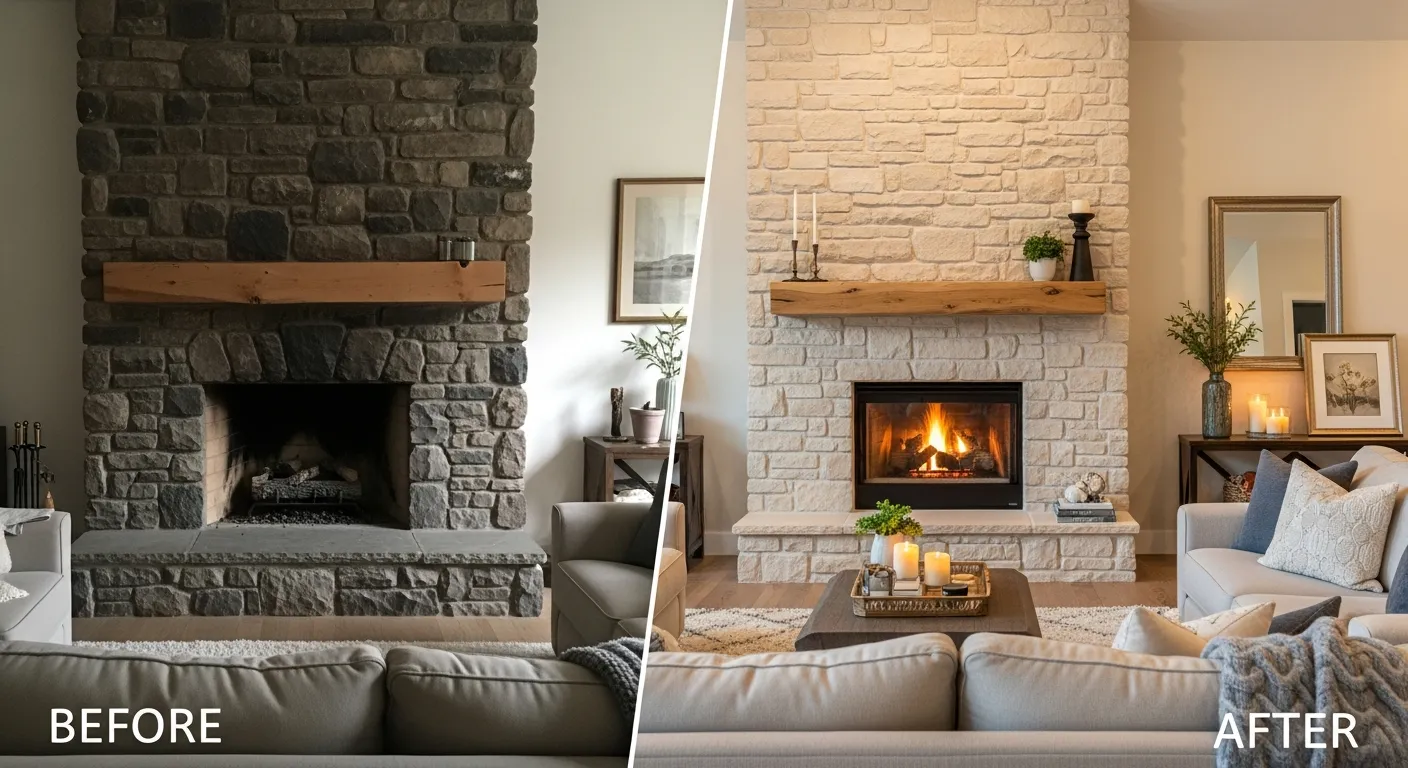
From a simple mantel update to a full stone surround transformation, here is what goes into a fireplace remodel in West Michigan.
Fireplace Resurfacing: Materials, Process, and What to Expect
Thinking about resurfacing your fireplace? Here is a straightforward look at the material options and process for West Michigan homeowners.
Tile Contractor Services Across West Michigan
Adam Baker Masonry serves homeowners throughout the Grand Rapids area and West Michigan. Select your city for local tile installation details.