
Tiling Over a Concrete Basement Floor: What West Michigan Homeowners Should Know
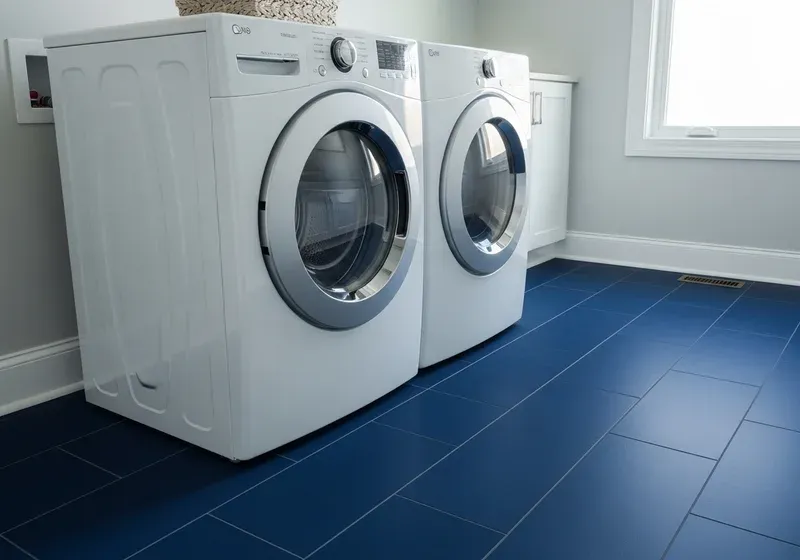
Yes, you can tile directly over a concrete basement floor — concrete is actually one of the best substrates for tile. The keys are a clean, flat, crack-free slab and proper moisture management. In West Michigan basements, where slabs can wick ground moisture, the right preparation and a crack-isolation or uncoupling membrane make the difference between a floor that lasts decades and one that fails early.
Can you tile over a concrete basement floor?
You can absolutely tile over a concrete basement floor, and concrete is an ideal base for tile because it is rigid, flat, and does not flex the way a wood subfloor can. The slab needs to be structurally sound, reasonably level, and free of active moisture problems before tile goes down. Most West Michigan basement slabs are good candidates — the work is in the preparation, not in whether it can be done. A professional installer evaluates the slab's condition, flatness, and moisture before recommending an approach.
How do you prepare a concrete floor for tile?
Preparing a concrete floor for tile starts with cleaning it thoroughly and removing any old adhesive, paint, sealer, or coating that would keep the tile from bonding. The slab is then checked for flatness and any low or high spots are corrected with a leveling compound so the finished tile sits flat. Cracks are evaluated and addressed, and the surface is profiled or primed as needed so the setting material bonds properly. Skipping prep is the most common reason a tile-over-concrete floor fails, which is why we spend real time on the slab before a single tile is set.
Do you need a moisture barrier under tile on a concrete basement floor?
Basement slabs sit on the ground and can draw moisture up from the soil, so moisture management is an important step rather than an afterthought. The right approach depends on what the slab's moisture testing shows — some floors benefit from a moisture-mitigating membrane or an uncoupling membrane that also helps manage vapor, while a dry, well-drained slab may need less. The point is that a basement floor should be assessed for moisture first, not tiled blindly, because trapped moisture is what causes tile and grout to fail below grade.
Will tile crack on a concrete basement floor?
Tile cracks on concrete mainly when a crack in the slab moves and telegraphs up through the tile, or when the slab was not properly prepared. The standard solution is a crack-isolation or uncoupling membrane between the slab and the tile, which lets minor slab movement happen underneath without breaking the tile above. Combined with a flat, clean substrate and proper setting materials, this is how a tile floor stays intact on a concrete basement slab for the long term.
Is tile a good flooring choice for a Michigan basement?
Tile is one of the best flooring choices for a Michigan basement because it is unaffected by moisture and humidity, which are the main enemies of basement floors. Unlike carpet, laminate, or solid wood, tile will not warp, swell, or grow mold if the basement sees occasional dampness, and a finished tile floor pairs well with radiant heat to take the chill off a below-grade space. For a finished basement that needs to handle West Michigan's damp seasons, tile is hard to beat.
Adam Baker Masonry installs tile floors over concrete slabs in basements throughout Grand Rapids, Ada, Rockford, Holland, and Cascade. Our tile floor installation service includes the slab assessment, prep, and membrane work that a lasting basement floor needs. Call (616) 612-1284 for a free written estimate. To understand why prep matters so much, see what causes tile to crack.
Frequently Asked Questions
Can you tile directly over a concrete basement floor?
Yes. Concrete is one of the best substrates for tile because it is rigid and flat. The slab needs to be clean, structurally sound, reasonably level, and free of active moisture problems first. With proper preparation and the right membrane, a tile floor over a concrete basement slab can last for decades.
Do you need a moisture barrier under tile on a basement slab?
Basement slabs can draw moisture from the soil, so moisture should be assessed before tiling rather than ignored. Depending on what testing shows, a moisture-mitigating or uncoupling membrane may be used. A dry, well-drained slab may need less, but trapped moisture is what causes below-grade tile and grout to fail.
Will tile crack on a concrete floor?
Tile cracks on concrete mainly when a slab crack moves and transfers up through the tile, or when the slab was poorly prepared. A crack-isolation or uncoupling membrane between the slab and tile absorbs minor slab movement, which, combined with a flat, clean substrate, keeps the tile intact long-term.
Is tile a good choice for a basement floor in Michigan?
Tile is one of the best basement flooring choices in Michigan because it is unaffected by moisture and humidity, unlike carpet, laminate, or solid wood. It will not warp, swell, or grow mold with occasional dampness, and it pairs well with radiant heat to warm a below-grade space.
How do you prepare a concrete floor before tiling?
Preparation includes thoroughly cleaning the slab, removing old adhesive, paint, or sealer, correcting low and high spots with leveling compound, addressing cracks, and priming or profiling the surface so the setting material bonds. Skipping prep is the most common reason a tile-over-concrete floor fails.
Need Professional Help?
If you've identified masonry issues or need a professional inspection, we're here to help. Adam Baker Masonry serves Grand Rapids and the surrounding 50-mile area.
Related Articles
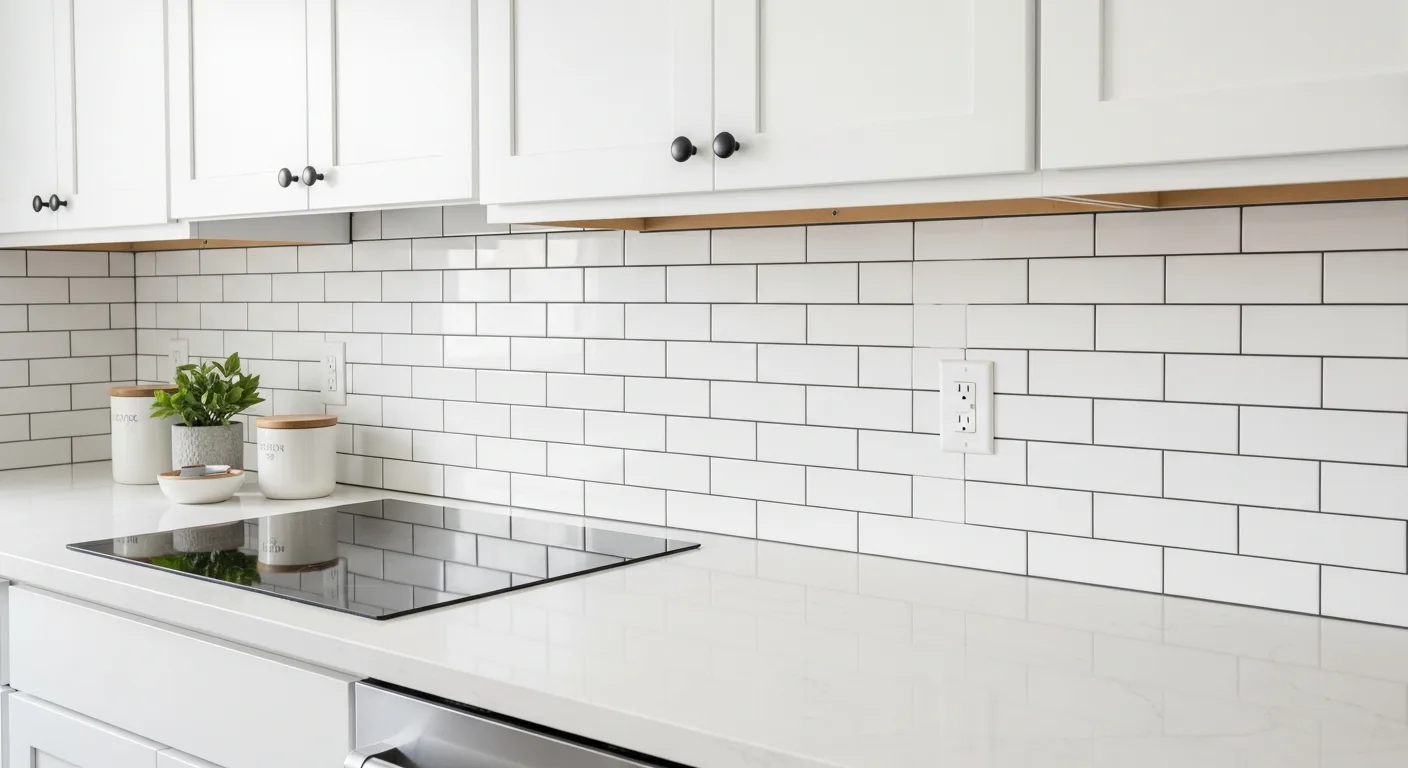
Can You Install a Backsplash Directly on Drywall?
In most kitchens, yes — standard tile goes right over sound drywall. The answer changes when the wall is painted glossy, damaged, or you have picked a heavy natural stone. Here is how to tell which situation you are in.
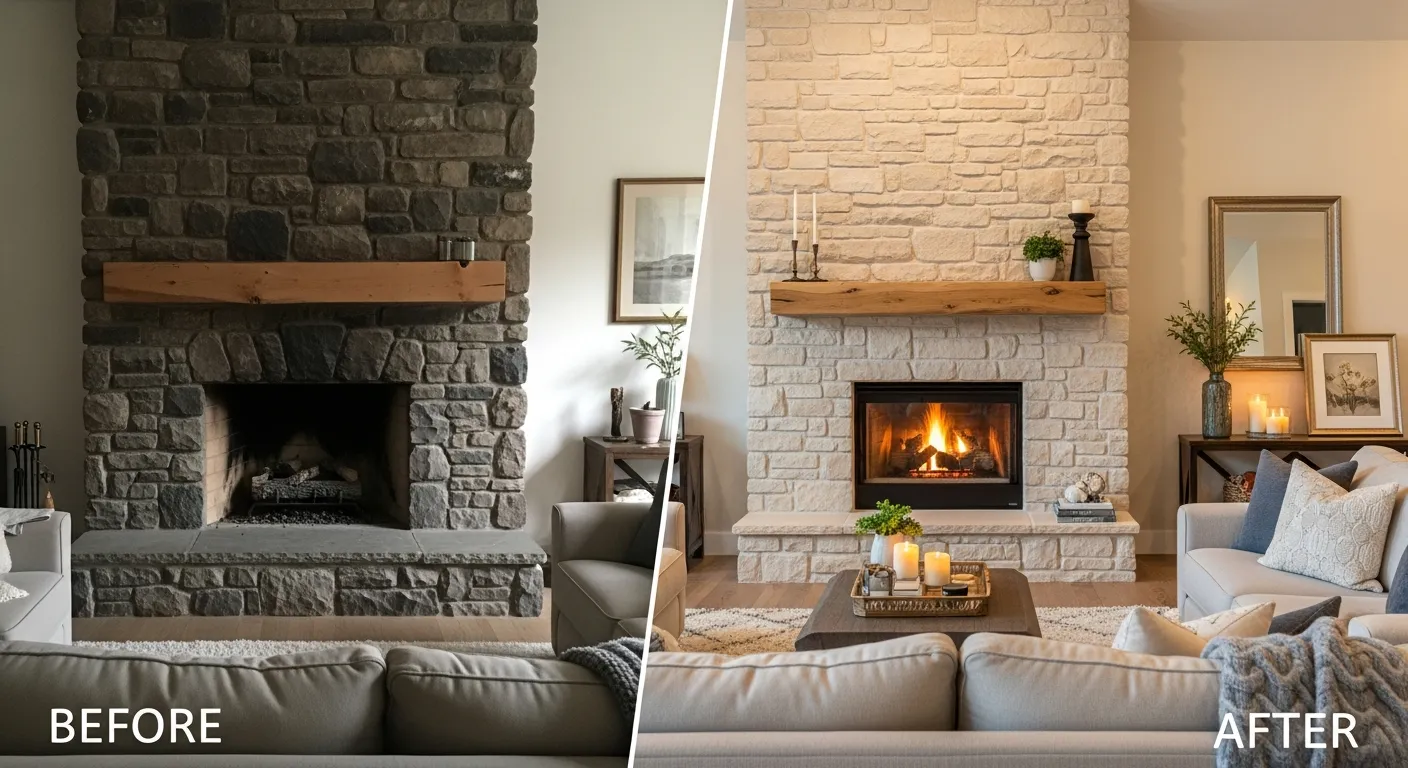
Fireplace Remodel in Michigan: Options and What to Expect
From a simple mantel update to a full stone surround transformation, here is what goes into a fireplace remodel in West Michigan.
Fireplace Resurfacing: Materials, Process, and What to Expect
Thinking about resurfacing your fireplace? Here is a straightforward look at the material options and process for West Michigan homeowners.
Tile Contractor Services Across West Michigan
Adam Baker Masonry serves homeowners throughout the Grand Rapids area and West Michigan. Select your city for local tile installation details.